
Long-Term Earth Observations In the News
LTEOs In the News
Read on for long-term Earth observations (LTEOs) in the news.
Keeling Curve Foundation | Long Term Ecological Research Network | October 19, 2026
LTER Network joins KCF’s Planetary Vital Signs Initiative as its first Affiliate Organization
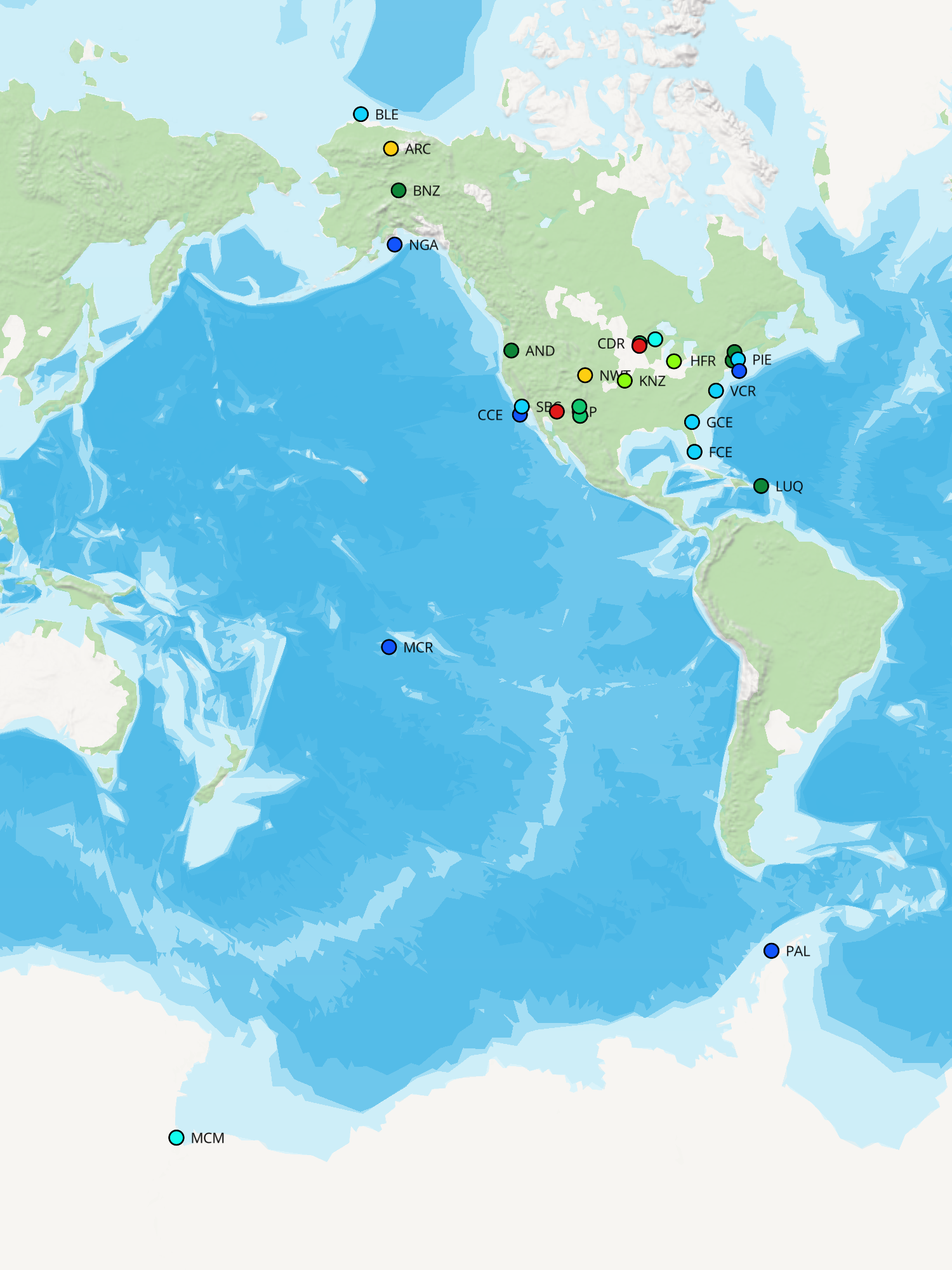
The Keeling Curve Foundation is proud to announce that the Long Term Ecological Research (LTER) Network is the first Affiliate Organization of the Planetary Vital Signs Initiative (PVSI), our three-year effort to strengthen, connect, and convene the people and programs that keep Earth's long-term records running. Launched in 1980 with funding from the National Science Foundation, the LTER Network has grown from six mostly terrestrial sites into 26 research sites stretching from Alaska to Antarctica and from the Caribbean to French Polynesia, spanning forests, grasslands, deserts, lakes, estuaries, coral reefs, kelp forests, open ocean, and urban landscapes. Each LTER site pairs decades of continuous long-term measurements with experiments that test hypotheses about the causes and consequences of change in each ecosystem. While each site is unique, every program collects data sets in the same core areas, and cross-site syntheses and collaborations are coordinated by the LTER Network Office at NCEAS, UC Santa Barbara. "The LTER Network has spent more than four decades proving what the Keeling Curve first showed: some of the most important things about our planet only become visible when you keep measuring," said Hannah, Director of KCF’s PVSI. "The LTER community is proud to be an Affiliate Organization of the PVSI at a time when long-term observations are critical to understanding our planet,” said Nancy Emery, Director of the Niwot Ridge LTER and member of the LTER Executive Board. "We are eager to work with the Keeling Curve Foundation and other affiliates to strengthen, sustain, and support these data sets and scientific community that collects them." As an Affiliate Organization, LTER will work alongside KCF to help shape PVSI's shared tools, Community of Practice, and the first Earth Observation Systems Congress in 2027.
Yale Climate Connections | Jeff Masters and Bob Henson | August 10, 2026
The U.S. just had its hottest month in recorded history, surpassing the Dust Bowl record
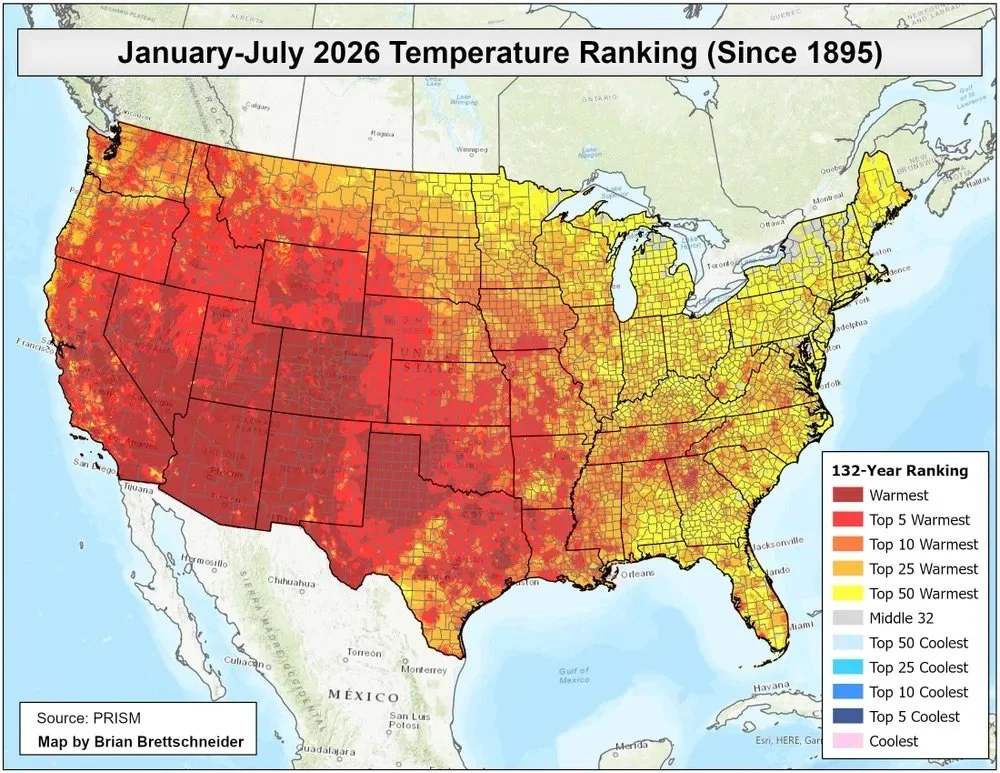
July 2026 was the hottest calendar month ever measured across the contiguous 48 states, with an average of 76.89°F, edging past the July 1936 Dust Bowl record in a national dataset that reaches back to 1895. The record was driven largely by exceptionally warm overnight lows, and heat was so pervasive that every one of the Lower 48 states ran at least a degree above its 20th-century average. Because the Dust Bowl mark has long been cited to argue that recent warming is nothing unusual, surpassing it carries particular weight. A record like this only exists because of more than 130 years of continuous, quality-controlled surface temperature measurements – the kind of unbroken station record that networks like the U.S. Climate Reference Network and the Cooperative Observer Program are built to sustain.

The Guardian | Ajit Niranjan | August 9, 2026
World's seas hit hottest temperature on record for July
Global sea surface temperatures outside the polar regions reached 20.96°C in July 2026, the highest ever recorded for the month and narrowly beating the previous July high of 20.89°C set in 2023, according to the EU's Copernicus Climate Change Service. The heat has fueled longer and fiercer marine heatwaves and helped drive an exceptional run of extreme weather across western Europe. A margin this fine — hundredths of a degree — is only meaningful against decades of calibrated, continuous ocean measurement. The record relies on the ships, moorings, and autonomous float networks behind the ocean-observing systems KCF has flagged as at risk, from GO-SHIP repeat hydrography to the mid-latitude time series and the global surface-carbon network.

Science Daily | Potsdam Institute for Climate Impact Research | August 1, 2026
Scientists detect a sharp acceleration in global warming
A new study in Geophysical Research Letters finds the first statistically significant evidence that Earth's long-term warming rate is speeding up. After filtering out El Niño, volcanic, and solar effects, researchers found the planet has warmed at roughly 0.35°C per decade over the past ten years, compared with just under 0.2°C per decade from 1970 to 2015 — an acceleration that appears across all five major global temperature datasets with more than 98% statistical certainty. Separating a genuine long-term signal from short-term natural "noise" is only possible with long, consistent records maintained by independent institutions; the study drew on instrumental data reaching back to 1880. It's a direct illustration of why multidecadal observations, not short-term snapshots, are what let scientists distinguish real environmental change from ordinary year-to-year variability.
The Guardian | Pippa Neill | July 20, 2026
Slowdown in Arctic ice melt ends after largest winter decline on record
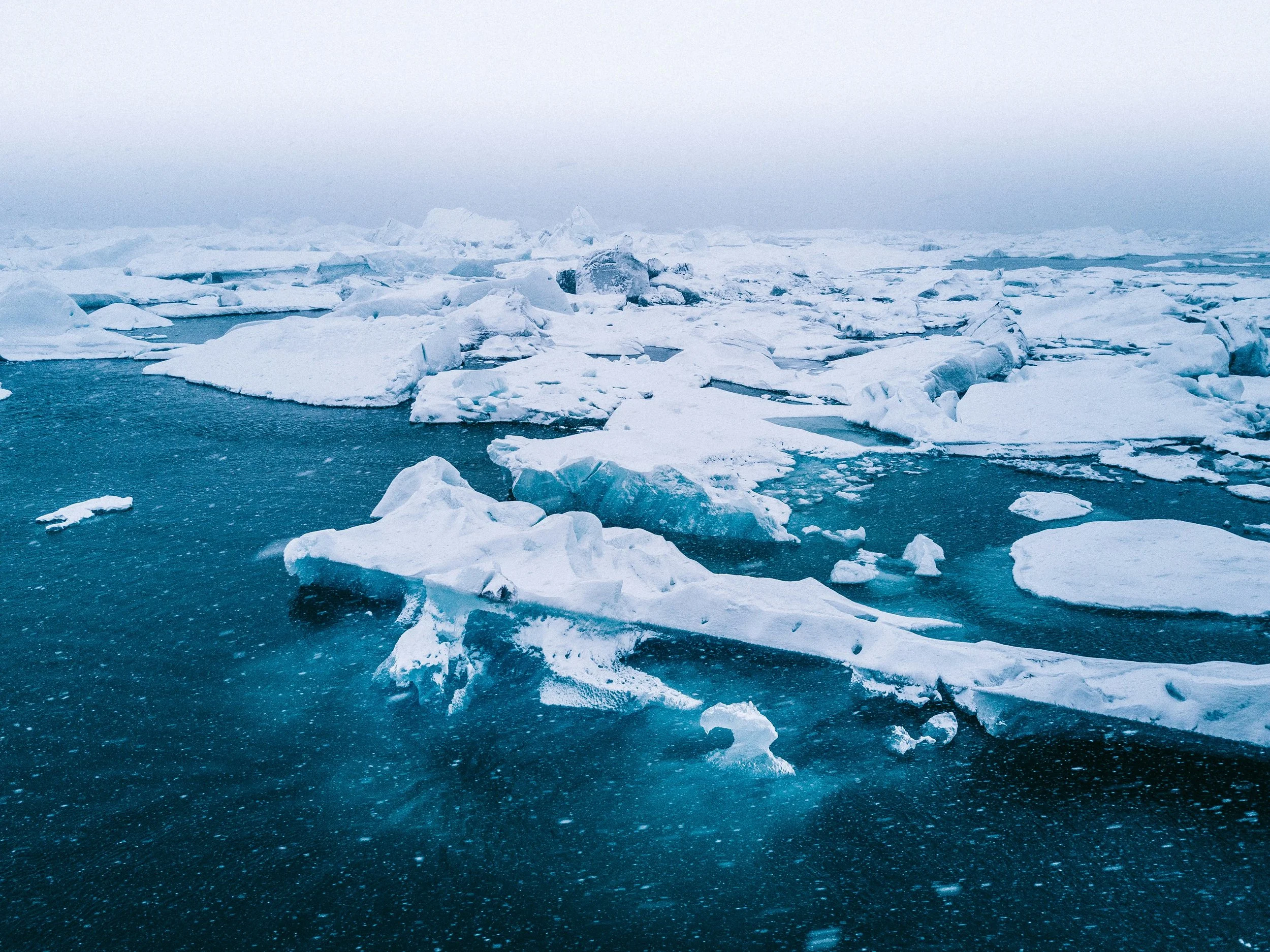
The apparent pause in Arctic sea ice loss during the early 2020s was "temporary rather than sustained," according to a new study in PNAS led by the University of Southampton and the National Oceanography Centre. Research published just last year had found no statistically significant decline in winter ice extent between 2005 and 2024 — a surprising result given rising global temperatures, which the authors attributed to natural variability in ocean currents temporarily offsetting the warming signal. However, adding two more years of satellite observations reversed that picture entirely. Winter peak sea ice extent fell 5.8% between 2024 and 2025, the largest year-to-year wintertime drop in a satellite record that began in 1978, and although 2026 recovered slightly it remained the second-lowest on record. With those two winters included, the 20-year trend returns to significant decline.
For anyone who depends on environmental records, this is a lesson in why unbroken time series matter. A two-decade window produced one answer; two additional years of the same measurements produced the opposite. Short-term fluctuations can obscure the underlying direction of change, and only a continuous, consistently calibrated record makes it possible to tell the difference between a genuine shift and a temporary reprieve. The stakes are not academic: winter sea ice insulates a relatively warm ocean from a much colder atmosphere, and as it thins, more heat and moisture escape upward — altering pressure patterns, storm development, and weather well south of the Arctic.
EurekAlert! AAAS | Virginia Institute of Marine Science | July 22, 2026
A longer, hotter reality surrounds marine heatwaves, new study finds
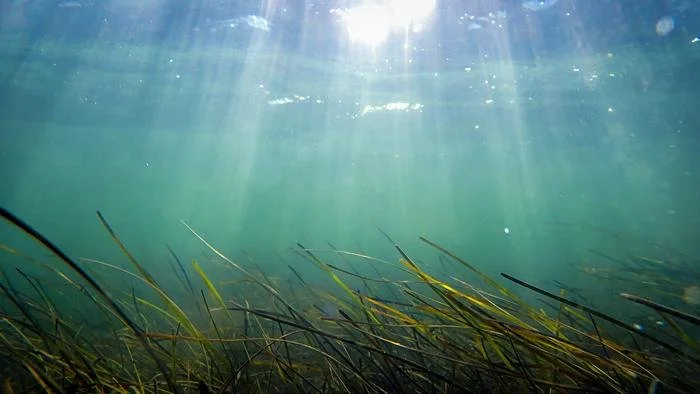
Scientists have long treated marine heatwaves as discrete events, but new research from William & Mary's VIMS & Batten School finds they are typically embedded within much longer stretches of warm water, and that those bracketing periods often deliver as much or more cumulative heat than the heatwave itself. Analyzing more than 2,580 marine heatwaves recorded across two decades at 20 U.S. estuaries, lead author Ricardo Utzig Nardi and coauthor Piero Mazzini found that conventional assessments underestimate total heat exposure by more than 150% on average. About two-thirds of events were "individual," embedded within roughly 60 days of elevated temperatures; the remaining third were "compound" events, with warming stretching about 90 days on either side and generating more than three times the cumulative heat of the heatwave window alone.
Since organisms respond to how long warming persists, not just how hot it gets, the finding has direct consequences for seagrass beds, coral reefs, and the design of laboratory experiments meant to simulate these conditions. The study is also a clear demonstration of what long-term observations make possible. As Mazzini put it, the work was "made possible by NOAA's National Estuarine Research Reserve System" and its sustained, high-frequency temperature records — the kind of comprehensive monitoring that lets researchers ask bigger questions and uncover patterns that would otherwise stay hidden.

The Times of India | TOI Science Desk | July 31, 2026
Female North American songbirds had lower apparent survival than males in 27-year study, with migration and life-history patterns offering clues
A study in Proceedings of the Royal Society B led by UCLA doctoral candidate Joanna Wu found that female North American passerines survive at consistently lower rates than males — adult apparent survival averaged 12.4% lower for females across 92 species, with females living an average of 1.36 years after adulthood versus 1.61 years for males. The gap was widest in long-distance migrants, supporting the idea that migration is costlier for females, who tend to travel farther, though non-migratory females also lived shorter lives and no single explanation emerged. The pattern is the reverse of what's seen in mammals, and raises an open question about whether it is compounding the broader decline in North American bird numbers.
The finding exists only because someone kept counting. Reliable survival estimates require 6-10 recaptures per species, and separating the sexes roughly doubles that — yet most banded birds are never caught again. The team found a large enough dataset in nearly three decades of capture-mark-recapture banding records from across the U.S. and Canada spanning 1992-2018, collected through the Monitoring Avian Productivity and Survivorship program run by the Institute for Bird Populations. Differences like this are invisible in population counts and indistinguishable from ordinary year-to-year noise in any single season.

Science | H. Holden Thorp | June 2, 2026
Another red alert for American science
Writing in Science (Thorp, 2026), editor-in-chief H. Holden Thorp warns that despite bipartisan congressional support for research and public trust in science above 75%, the White House Office of Management and Budget (OMB) under Russell Vought is finding new ways to circumvent Congress and starve federal science. After lawmakers restored most of the prior year's proposed cuts, OMB slowed the release of appropriated funds and has now proposed sweeping new spending rules that Thorp argues would trigger unlegislated funding reductions and subject every federal research decision to political review. Under the proposal, political appointees could override peer-reviewed assessments of scientific merit, terminate multiyear grants with no due process, steer preferential treatment to institutions using the vaguely defined criteria of "gold standard science," and effectively block international partnerships by requiring case-by-case approval of any research funds spent abroad. Thorp calls on universities, scientific associations, and industry to flood the public comment period (open until July 13), mobilize Congress, and prepare litigation.
For the long-term observation community, the stakes are acute. Records like the Keeling Curve derive their scientific value from uninterrupted continuity. The very mechanisms Thorp flags — namely lagging disbursements, politically revocable multiyear grants, and new barriers to global collaboration — are precisely what can open irrecoverable gaps in decades-long time series. That fragility is why stable philanthropic support is such a vital complement to public funding: it helps insulate irreplaceable observational records from political turbulence, keeping the world's foundational climate datasets intact.

NPR | Scott Neuman | June 26, 2026
Ex-NOAA employees re-create a valuable climate data site shut down by Trump
Reporting for NPR (Neuman, 2026), Scott Neuman describes how a small team of former federal scientists has rebuilt a trusted public climate resource after the government shut it down. When the Trump administration eliminated the staff of Climate.gov last year as part of DOGE cutbacks, it took offline a site that had drawn nearly a million monthly visitors (as of 2021) and served as a flagship source of accessible, nonpartisan climate information for scientists, educators, farmers, and the public. Rebecca Lindsey, a former program director for the government site, launched the independent successor Climate.us this year, re-creating its climate dashboard, fifteen-year archive of news and expert blogs, visual status reports on key indicators, and classroom materials. Because NOAA's underlying data is public, the rebuild was feasible: about $280,000 in crowdsourced donations covered the technical work, a one-time anonymous grant funds the project through at least February 2027, and roughly eighty volunteer scientists fact-check what it publishes.
Climate scientist Katharine Hayhoe says the site's loss made trustworthy climate information harder to find, while the Environmental Data & Governance Initiative's Gretchen Gehrke warns of a "quiet discontinuation" of federal climate data that leaves observers unable to know what is even still being collected. For the long-term observation community, the lesson is cautionary: raw measurements are only useful if someone maintains the tools, context, and continuity that make them findable and interpretable, and when public stewardship lapses, that burden falls to under-resourced volunteers and short-horizon philanthropy. It underscores why durable, independent funding is essential not only for collecting long-term records but for keeping them accessible to the people who depend on them.
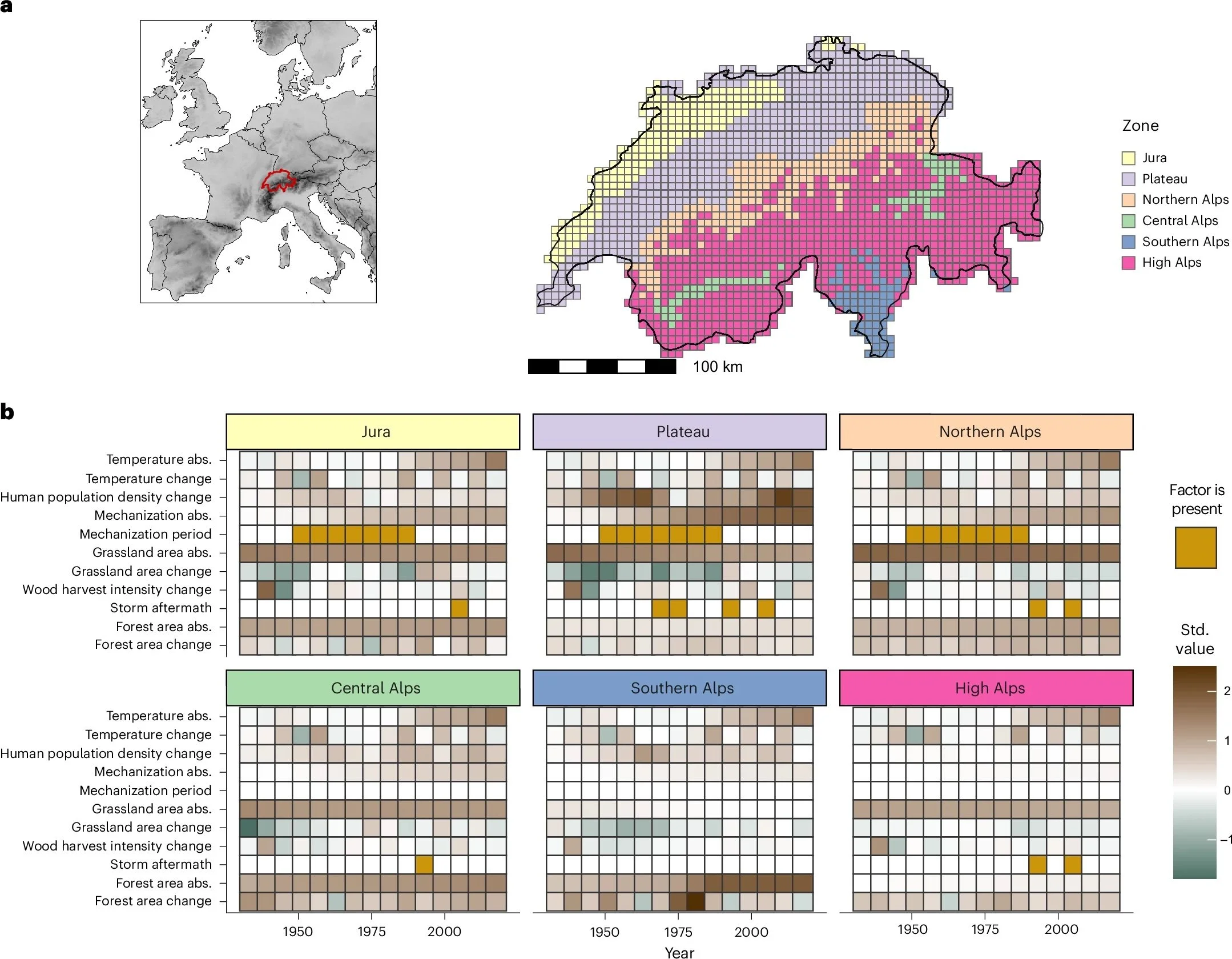
Nature Ecology & Evolution | Felix Neff et al. | June 2, 2026
Ninety-year trends reveal sharpest insect declines in the mid-twentieth century
Nine decades of Swiss insect records tell a story that short-term studies would hide: the steepest declines happened around the middle of the twentieth century. That is the central finding of a study by Felix Neff of Agroscope and colleagues, published in Nature Ecology & Evolution (Neff et al., 2026). Drawing on 1.2 million records from 1930 to 2021, the researchers tracked species richness for 595 saproxylic (deadwood-dependent) beetle species and 216 butterfly species across six biozones. Both groups declined from the 1930s to the 1960s. Saproxylic beetle richness then stabilized and recovered to roughly its 1930 level (+2.7%), while butterfly richness kept falling until the 1980s and never recovered, ending the period down 12.0%. The mid-century losses were linked to agricultural mechanization and intensification, while the later beetle recovery was associated with climate warming, biodiversity-friendly forest management, and increased deadwood, including windfall from major storms such as Vivian (1990) and Lothar (1999). Declines fell hardest on specialist and cold-adapted species, while warm-adapted species have gained since the 1980s.
The study's central lesson is a direct case for sustained observation: had the authors examined only the most recent four decades, they would have reported Switzerland-wide increases of 10.8% for beetles and 6.5% for butterflies, a far rosier picture than the true long-term record, which shows a roughly flat beetle trend and a 12% butterfly decline. This shifting-baseline effect is precisely why continuous, multi-decade records are indispensable, since short monitoring windows can distort or even invert conservation conclusions, mistaking recent stability for health while missing losses that began generations ago. This paper is a compelling demonstration that only records spanning the full arc of environmental change can reveal what has actually been lost.
Star-News | Gareth McGrath (USA TODAY Network) | June 27, 2026
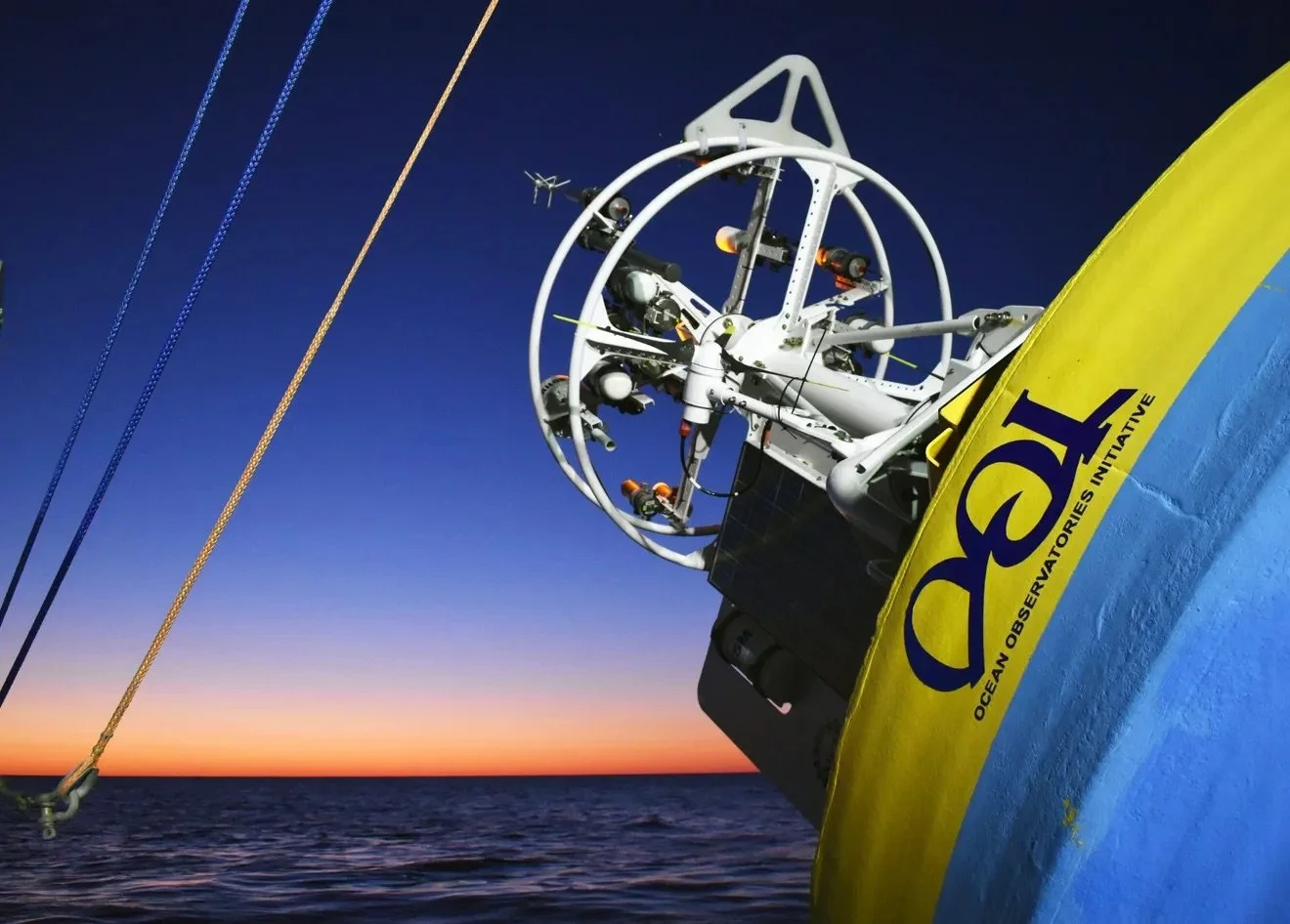
Nearly 1,000 ocean sensors spared, protecting North Carolina’s research data
A near-miss for one of the world's major ocean-observing networks illustrates both the fragility and the value of sustained monitoring. As Gareth McGrath reports for the Wilmington Star-News (USA TODAY Network, June 2026), the National Science Foundation (NSF) has reversed its plan to dismantle the Ocean Observatories Initiative (OOI), a network of nearly 1,000 sensors built at a cost of almost $400 million that has delivered real-time data on climate change, ecosystem variability, ocean acidification, and carbon cycling for more than a decade, with the data freely available to scientists worldwide. In a May 21, 2026 statement, NSF, facing proposed budget cuts under the Trump administration, had announced it would pull most of its instruments from the water over the following year in what it termed a "descoping" rather than a shutdown. Scientists said the move came with no warning or consultation and fit a broader rollback of federal environmental monitoring that has also hit NOAA and the EPA. The decision was especially costly because the project was designed to run roughly two more decades, which would have yielded valuable continuous long-term data throughout those decades.
After opposition from researchers and coastal lawmakers, and a rare bipartisan Senate measure blocking the network’s dismantling, NSF announced on June 18, 2026 that it would halt further removals, maintain the remaining arrays, and restore some already-pulled equipment, though notably not the North Carolina instruments off Cape Hatteras that feed hurricane and marine forecasts. NSF now plans to convene a panel on the network's long-term future, but funding remains unresolved and Congress holds the final say. For long-term environmental records specifically, the episode is a cautionary tale with a partial reprieve: multi-decade ocean records take enormous investment to build and only grow more valuable with time, yet they could be switched off in a single administrative decision, and even a successful reversal may not restore everything that was already lost.
Eos | Anthony Veltri | May 27, 2026
The Governance Gap Threatening Long-Term Ecological Archives
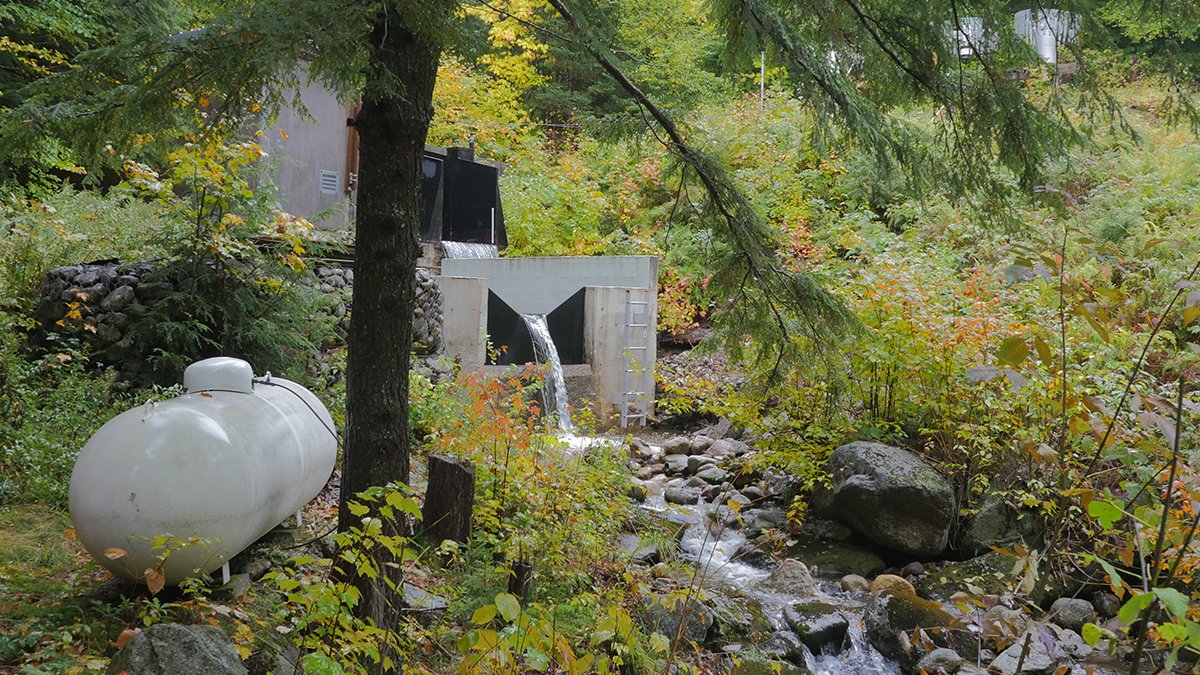
Writing in Eos (Veltri, 2026), former USDA Forest Service policy analyst Anthony Veltri identifies a structural governance failure threatening long-term ecological research infrastructure across the United States. When the U.S. Department of Agriculture announced the closure of 57 of its 77 Forest Service research facilities on March 31, 2026, the action was executed without any mandatory requirement to identify successor stewards for the physical archives and long-term datasets left behind. Veltri uses the Hubbard Brook Experimental Forest in New Hampshire as the clearest example: its physical archive holds more than 60,000 barcoded samples spanning seven decades — samples that cannot be digitized, migrated to the cloud, or recreated once degraded. The problem extends well beyond any single site, touching the entire 84-site Experimental Forests, Ranges, and Watersheds network, the Long Term Ecological Research network, and AmeriFlux's more than 500 monitoring locations. Veltri's proposed remedy is specific and precedented: any federal agency action reducing support for a long-term research facility should require a formal continuity plan that names a successor steward with a funded mandate before the action takes effect — a model already successfully implemented by GRUAN and ICOS. For the long-term observation community, the piece distills a hard truth: archival value compounds silently for decades and becomes visible only when someone needs it, and by then, if stewardship has lapsed, it is too late.

Data Science Journal | Alex de Sherbinin | March 2, 2026
Things Fall Apart: Lessons from a Defunded Data Repository
In a sobering first-person account published in Data Science Journal (de Sherbinin, 2026), Alex de Sherbinin chronicles the sudden defunding and near-loss of the NASA Socioeconomic Data and Applications Center (SEDAC), a repository operated by Columbia University's Center for Integrated Earth System Information (CIESIN) for nearly three decades. Following a stop work order issued in March 2025 and a formal contract termination in April, SEDAC's 300 datasets, 61,000 granules, and roughly 6 terabytes of carefully curated socioeconomic and environmental data abruptly disappeared from NASA's Earthdata catalog — breaking DOI links for more than 210,000 registered users worldwide. Through a combination of institutional foresight, a pre-existing data preservation agreement with Columbia University Libraries, and a timely partnership with the Harvard Dataverse's CAFE Climate and Health Research Coordinating Center, the team was able to rescue the majority of the collection before servers were shut down. The essay offers hard-won lessons for the data stewardship community, including the critical importance of retained copyright, the value of generalist repositories as backup infrastructure, and the irreplaceable role of domain experts who carry knowledge about a dataset's strengths, limitations, and fitness for use. For those of us committed to long-term environmental observations, the SEDAC story is a cautionary tale: decades of painstaking data collection and curation can be undone with stunning speed, and the institutional scaffolding that supports these records demands the same sustained investment as the observations themselves.
Nature Climate Change | Yujing Zhu et al. | May 22, 2026
Critical Dependence of Global Ocean Heat Monitoring on the Ocean Observing System
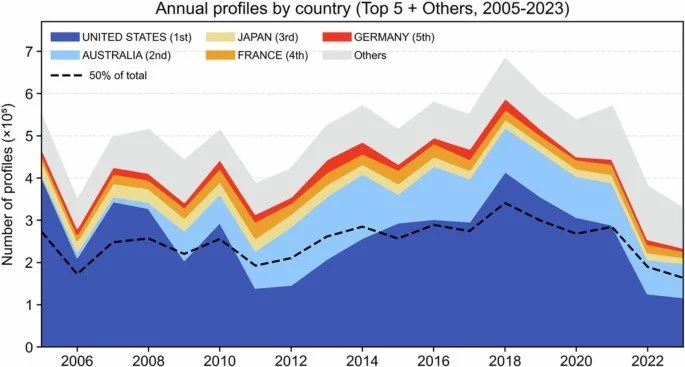
A new study published in Nature Climate Change (Zhu et al., 2026) delivers a stark warning about the fragility of global ocean heat monitoring. Using data from the Global Ocean Observing System (GOOS), which has provided near-global upper-ocean temperature coverage since approximately 2005 – largely through the Argo float network – the researchers simulated progressive observational data loss. Their experiments show that removing just 20% of GOOS observations increases error in the annual ocean heating rate by 33%, while an 80% reduction in observations renders the ocean warming signal nearly indistinguishable from noise. Critically, the impact of data loss depends not only on volume but on spatial coverage; losing U.S.-associated observations alone degraded monitoring capability more severely than randomly removing 80% of all data, because U.S. platforms fill critical gaps in the Pacific and Southern Oceans. These findings underscore a truth long championed by the long-term observation community: sustained, continuous environmental records are irreplaceable. Just as the Keeling Curve's unbroken CO₂ record has anchored our understanding of atmospheric change, GOOS's multi-decadal ocean temperature record underpins climate science, weather forecasting, marine ecosystem management, and Earth's energy budget. Gaps in these records, whether from budget cuts, policy shifts, or pandemic disruptions, represent permanent losses that compromise our collective ability to understand and respond to a changing planet.
SciTechDaily | University of Göttingen | April 15, 2026
Scientists Discover Unexpected Climate Benefit Hidden in Forest Soils
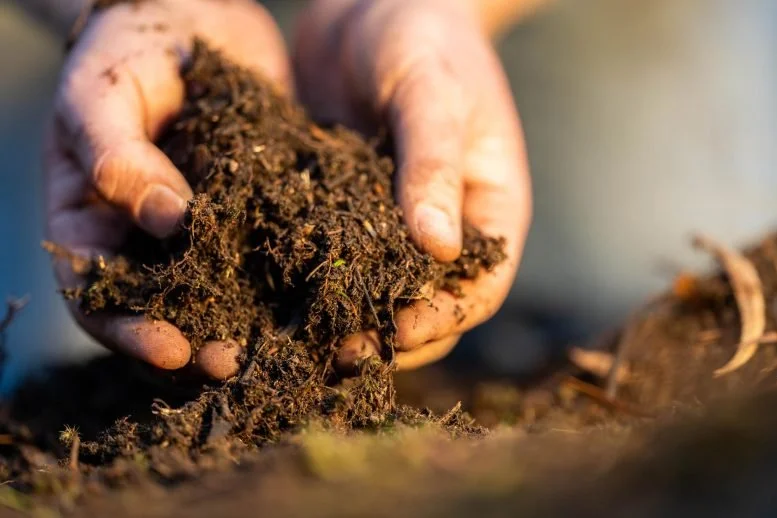
A long-term observational study from the University of Göttingen and the Baden-Württemberg Forest Research Institute (FVA) has revealed a surprising climate benefit hidden in forest soils: as conditions grow warmer and drier, these soils may actually absorb more methane, not less. Drawing on up to 24 years of continuous measurements across 13 forest sites in southwestern Germany — the most extensive global dataset of its kind — researchers found that methane uptake increased by roughly 3% per year on average, driven by drier soils that allow methane to penetrate more easily as well as warmer temperatures that accelerate the activity of methane-consuming microorganisms. These findings notably diverge from many international meta-analyses and a major U.S. study that reported significant declines in methane uptake, underscoring how regional climate dynamics can produce outcomes quite different from global trends. Published in Agricultural and Forest Meteorology, the study powerfully illustrates why sustained, place-based monitoring programs like long-term observations are indispensable — without decades of consistent data collection, this counterintuitive but consequential climate feedback would have remained hidden.
Phys.org | University of Cambridge | April 28, 2026
Deep-ocean heat has been marching closer to Antarctica, reveals long-term study
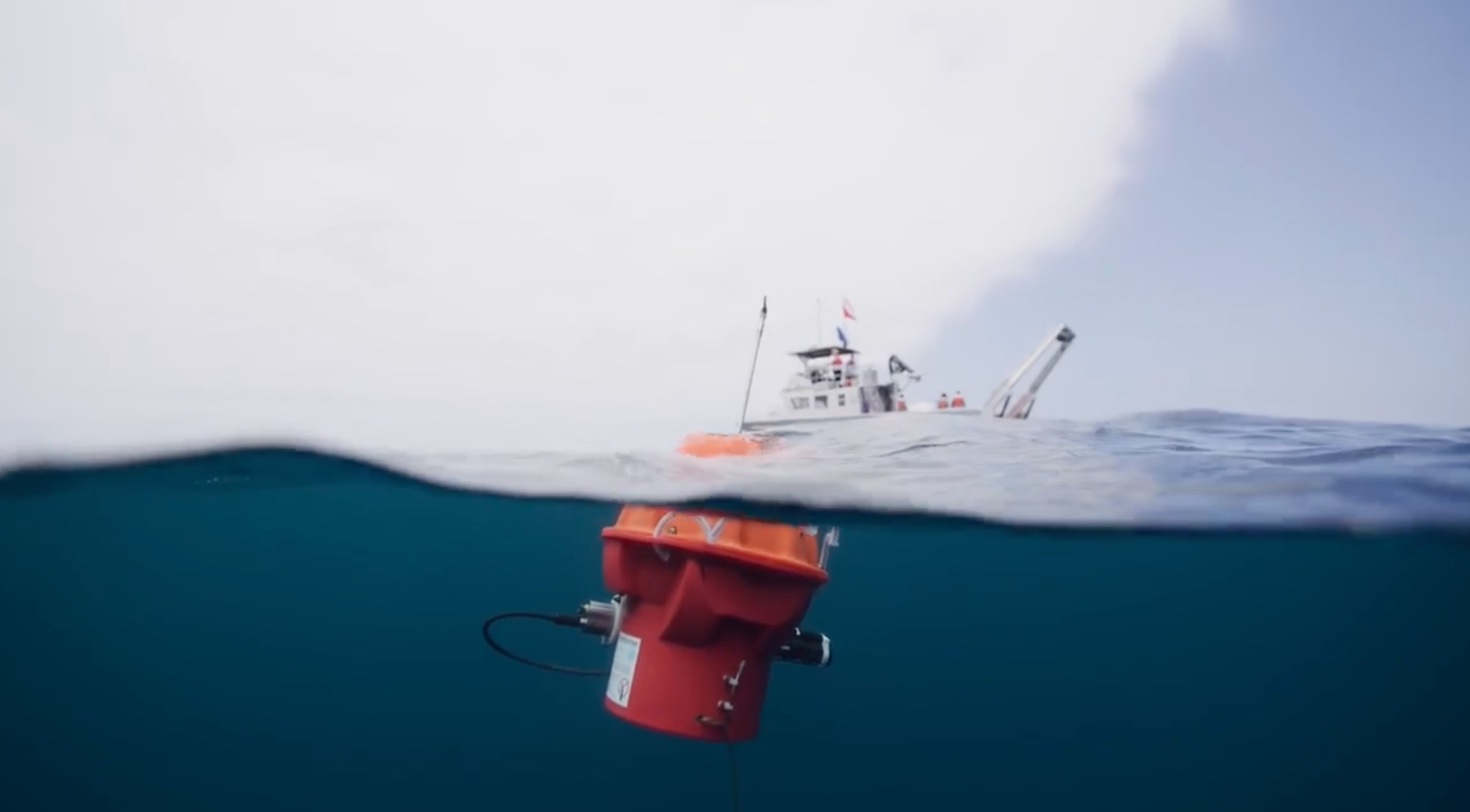
A decades-long study led by the University of Cambridge, with collaborators from the Scripps Institution of Oceanography and UCLA, has produced the first observational evidence that a mass of warm deep water known as "circumpolar deep water" has expanded and shifted closer to the Antarctic continental shelf over the past 20 years — a trend previously predicted by climate models but never confirmed in real-world data. Published in Communications Earth & Environment, the research combined long-term ship-based hydrographic measurements with data from a global array of autonomous Argo floats, using machine learning to construct detailed monthly ocean snapshots spanning four decades. The findings are alarming: this advancing warm water threatens Antarctic ice shelves from below, and the inland ice sheets and glaciers they buttress hold enough freshwater to raise global sea levels by roughly 58 meters (about 190 feet). Beyond ice melt, the shift carries broader consequences for how heat, carbon, and nutrients circulate through the entire global ocean system. The study stands as a compelling testament to the irreplaceable value of long-term observational programs — it was only by stitching together decades of continuous, multi-platform measurements that researchers could finally detect this slow-moving but consequential transformation of the Southern Ocean.
Bulletin of the Atomic Scientists | Jessica McKenzie | April 14, 2026
‘It’s just madness’: Trump administration to close three-quarters of Forest Service research stations
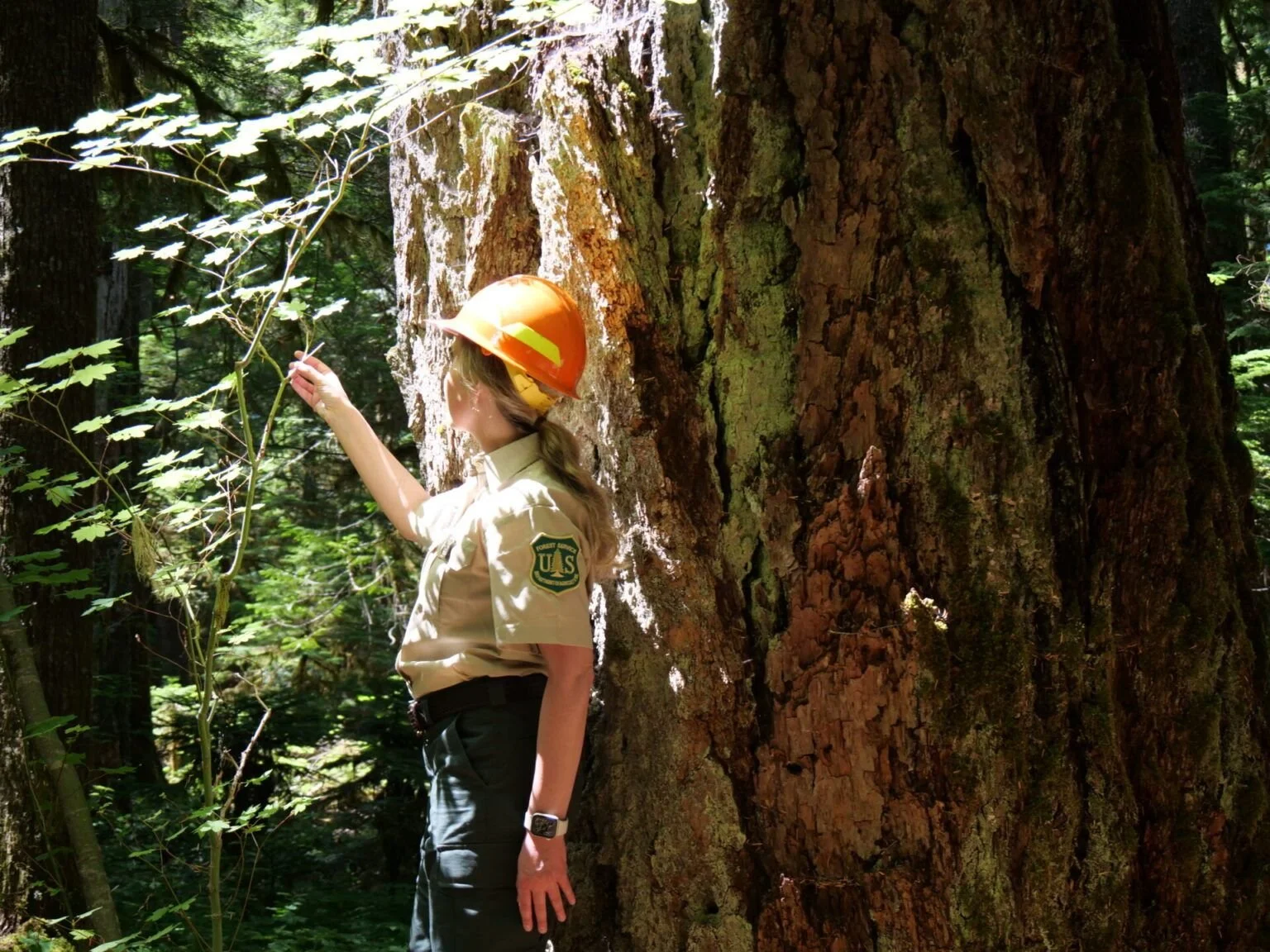
A sweeping reorganization announced by the US Forest Service at the end of March plans to close at least 57 of its 77 research stations nationwide, threatening to permanently dismantle some of the country's most valuable long-term environmental monitoring programs. Reported in the Bulletin of the Atomic Scientists, the closures would gut decades of continuous research on soil, air, and water quality; wildfire dynamics; invasive species; climate change impacts; and ecosystem recovery — work that directly informs the management of nearly 200 million acres of public land. Some Forest Service research projects date back to the early 1900s, including tree-planting experiments monitored for over a century. These are the kind of multigenerational observations that simply cannot be replicated by universities or picked up through short-term grants. From post-fire forest regeneration in the Sierra Nevada to the rapid spread of a devastating fungal disease threatening 90 percent of Hawaii's tree canopy, these stations provide the irreplaceable place-based long-term data that makes sound land management possible. As University of Nevada biologist Elizabeth Leger observed, effective management of wildfire, invasive species, and climate change requires knowing what changes are occurring over time, and without that research foundation, the consequences for ecosystems and communities alike will be long-lasting and severe.
Nature | Su, Jiajia et al. | March 22, 2026
Precipitation observing network gaps limit climate change impact assessment
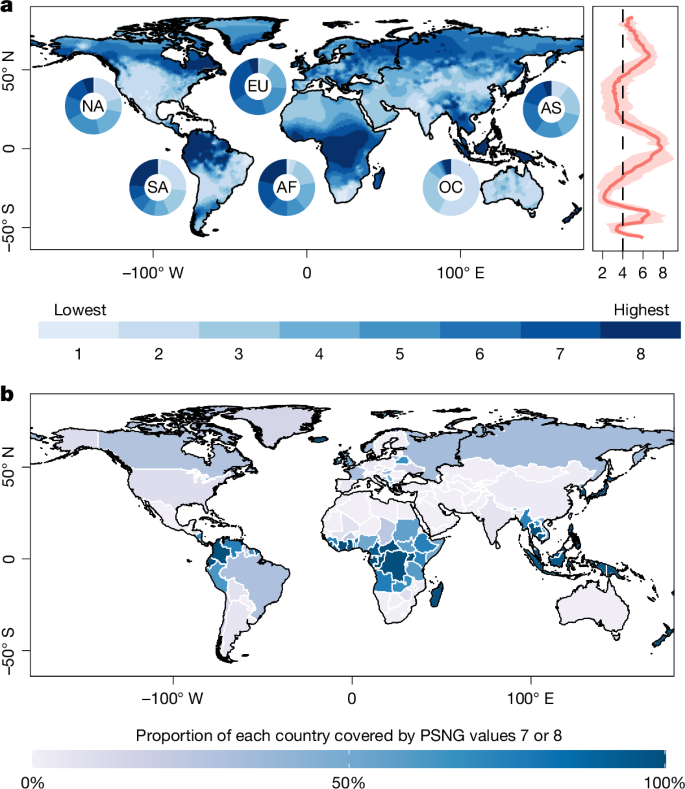
A comprehensive evaluation of 221,483 precipitation gauges worldwide reveals that only 13.4% of global land currently meets World Meteorological Organization standards for adequate precipitation monitoring, exposing critical infrastructure gaps that fundamentally undermine climate change impact assessment. The study identifies that 25% of global land area requires urgent gauge network expansion due to high precipitation variability and low monitoring density. These priority regions include northern South America, Central Africa, and southern Asia. When considering projected precipitation changes and socioeconomic vulnerabilities under high-emission climate scenarios, this share increases to 32.1% of global land. These findings demonstrate that sustained, strategically deployed precipitation observation networks are essential not only for detecting evolving precipitation patterns driven by climate change, but for enabling accurate water resource projections, drought early warning systems, and climate impact assessments that inform policy and adaptation planning. The research underscores how data gaps fundamentally limit our capacity to monitor and forecast the intensifying precipitation extremes expected in a warming climate, highlighting an urgent need for international investment in observational infrastructure and open data access.
Envirotech Online | Staff Reporter | March 30, 2026
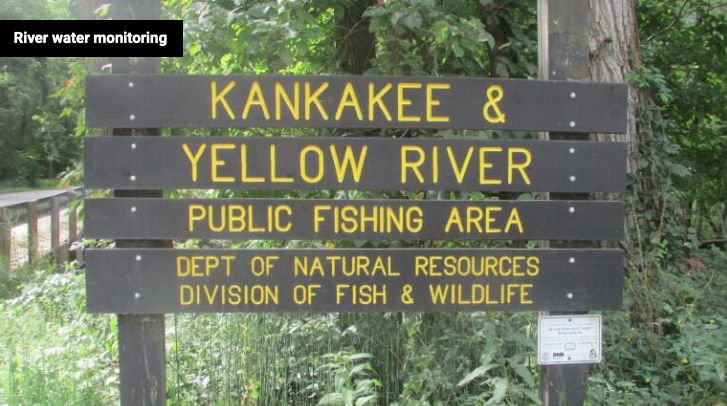
Yellow River sediment from space: why a new 40-year turbidity record matters for monitoring
A satellite-based reconstruction of over 12,000 Landsat scenes has created the first continuous 40-year sediment turbidity record for the entire Yellow River system covering the years 1986-2023. This work transforms sediment monitoring from sparse point measurements to basin-scale environmental intelligence. The study reveals three distinct phases of sediment dynamics: rising levels from 1986-1997, sharp declines from 1997-2016, and increased variability after 2016, suggesting a potential regime shift that traditional station networks would likely miss entirely or only detect after significant delays. By integrating field sampling for calibration, satellite imagery for spatial coverage, and statistical analysis for long-term trend detection, this work demonstrates how sustained observational records can reveal the cumulative effects of engineered systems (reservoirs, check dams, vegetation restoration) on river behavior across entire basins.
The research embodies the critical value of long-term environmental observations in enabling adaptive water management and informing policy decisions that depend on detecting structural changes in complex, managed river systems. For the roughly 400 million people who depend on the Yellow River for drinking water, agriculture, and flood protection, this kind of long-term basin-scale visibility is not merely academic. Early detection of shifting sediment regimes can directly inform reservoir operations, flood forecasting, and erosion control decisions that protect lives and livelihoods. This case illustrates a broader truth: sustained environmental observations are the foundation upon which adaptive, evidence-based management of the world's most critical water systems must be built.
AGU Advances | Adam C. Martiny | February 26, 2026
Long‐Term Reorganization of Ocean Nutrient Distribution
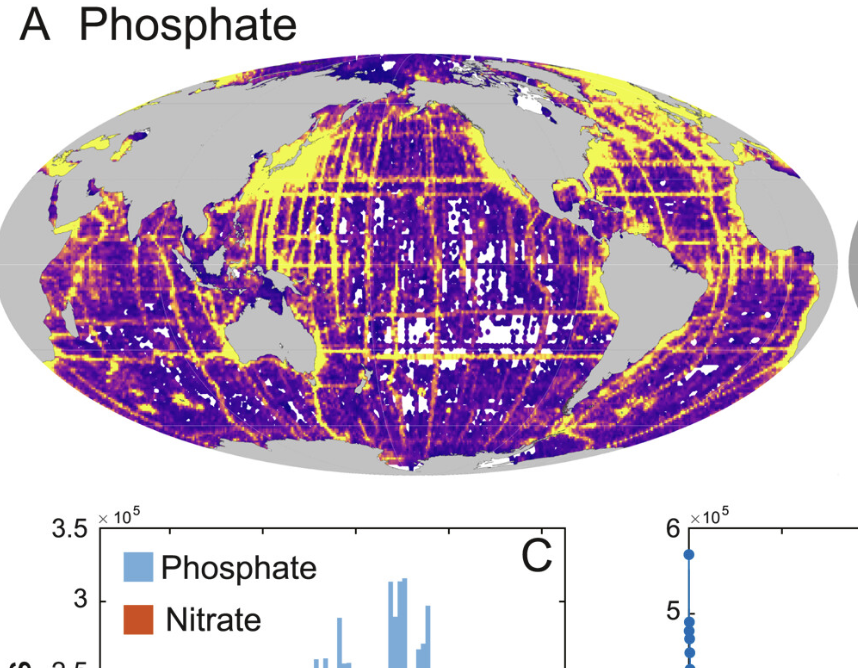
Using over 14 million nitrate and phosphate measurements collected between 1925 and 2025, researchers have documented a large-scale reorganization of nutrient distributions that threatens the foundation of marine ecosystems. The study reveals that surface waters in the open ocean are losing phosphate, while deeper waters are accumulating nitrate. These shifts are fundamentally shifting nutrient availability and the stoichiometry – or chemical balance – that sustains phytoplankton diversity. Strikingly, current ocean biogeochemical models underestimate the pace and magnitude of these changes by an order of magnitude, demonstrating that only sustained, long-term observational records spanning decades can detect such slow-moving but consequential shifts in ocean chemistry. These findings underscore how limited monitoring periods would miss critical ecosystem transitions and highlight the irreplaceable value of sustained global nutrient observations in constraining Earth system models and forecasting future ocean productivity under continued climate warming.
Japan Agency for Marine-Earth Science and Technology (JAMSTEC) | February 16, 2026
Ocean heat transport on the Pacific side of the Arctic Ocean has increased 1.5 times over the past 20 years
Arctic sea ice has been declining since the 1990s, but the mechanisms driving that loss are still coming into focus. A new study published in Journal of Geophysical Research: Oceans draws on more than two decades of mooring observations in Barrow Canyon — where moorings are anchored instrument packages that sit on the seafloor or float at fixed depths, collecting continuous temperature, salinity, and current data over years or decades — conducted by the Japan Agency for Marine-Earth Science and Technology (JAMSTEC) from 2000 to 2022, to show that ocean heat transported by warm Pacific-origin water flowing into the Canada Basin has increased approximately 1.5 times over the past 20 years. A broader 40-year analysis incorporating satellite data revealed that this increase accelerated sharply in the late 2010s.
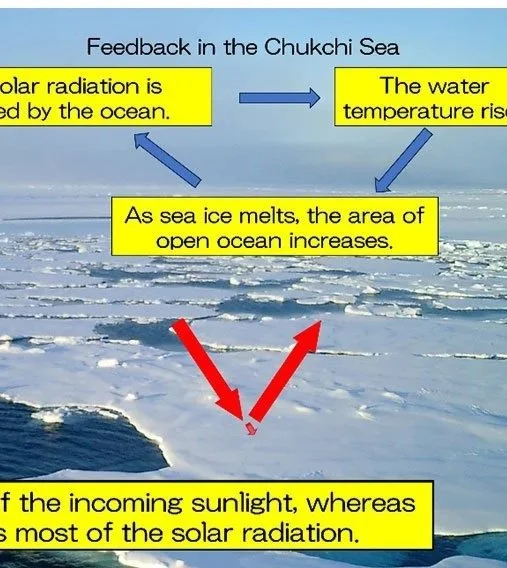
The study identifies a self-reinforcing feedback loop as a key driver. As summer sea ice in the Chukchi Sea declines, more open water is exposed, allowing the ocean surface to absorb greater amounts of solar radiation. This warms the Pacific-origin water flowing northward through the Bering Strait before it reaches the Canada Basin, where it melts sea ice in summer and delays freeze-up in winter, further reducing ice cover and warming the water beneath it. The findings underscore that warming in the Pacific Arctic is not simply a downstream consequence of global temperature rise, but is being amplified by regional feedbacks that long-term mooring observations are uniquely positioned to detect. Continued monitoring of these changes is essential, as sea ice loss drives comprehensive environmental shifts including cascading impacts on the marine ecosystems of the region.
EurekAlert! | Flinders University | February 11, 2026
Flagship whales facing climate-driven decline in Australia
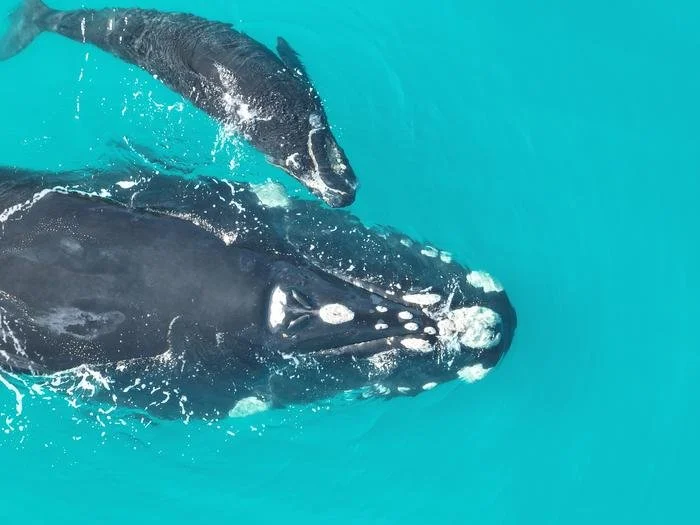
Southern right whales were once considered a global conservation success story, having slowly rebounded after being hunted to near-extinction during commercial whaling in the 19th and 20th centuries. A new study published in Scientific Reports now signals that climate change is reversing that progress. Drawing on 34 years of photo-identification data collected at the Head of the Great Australian Bight (1991-2024), researchers documented a significant decline in reproductive output, as measured by an increase in mean calving intervals, from 3.4 years in the earlier part of the study period to 4.1 years since 2015.
The study links these reproductive changes to deteriorating conditions across the whales' offshore foraging grounds in both high- and mid-latitude regions of the Southern Ocean. At high latitudes, declining Antarctic sea ice concentration since 2013 has disrupted the krill-based food web on which the whales depend. At mid-latitudes, warming sea surface temperatures and declining primary productivity have reduced the availability of copepods, an important secondary prey source. Together, these dual-region stressors appear to be limiting the whales' ability to accumulate the energy reserves needed to sustain pregnancy and lactation—an effect that may be especially acute when both foraging zones deteriorate simultaneously. Similar reproductive declines have been observed in southern right whale populations in South Africa and South America, suggesting a hemisphere-wide climate signal and underscoring the value of long-term, annual population monitoring for detecting climate-driven shifts in threatened species.
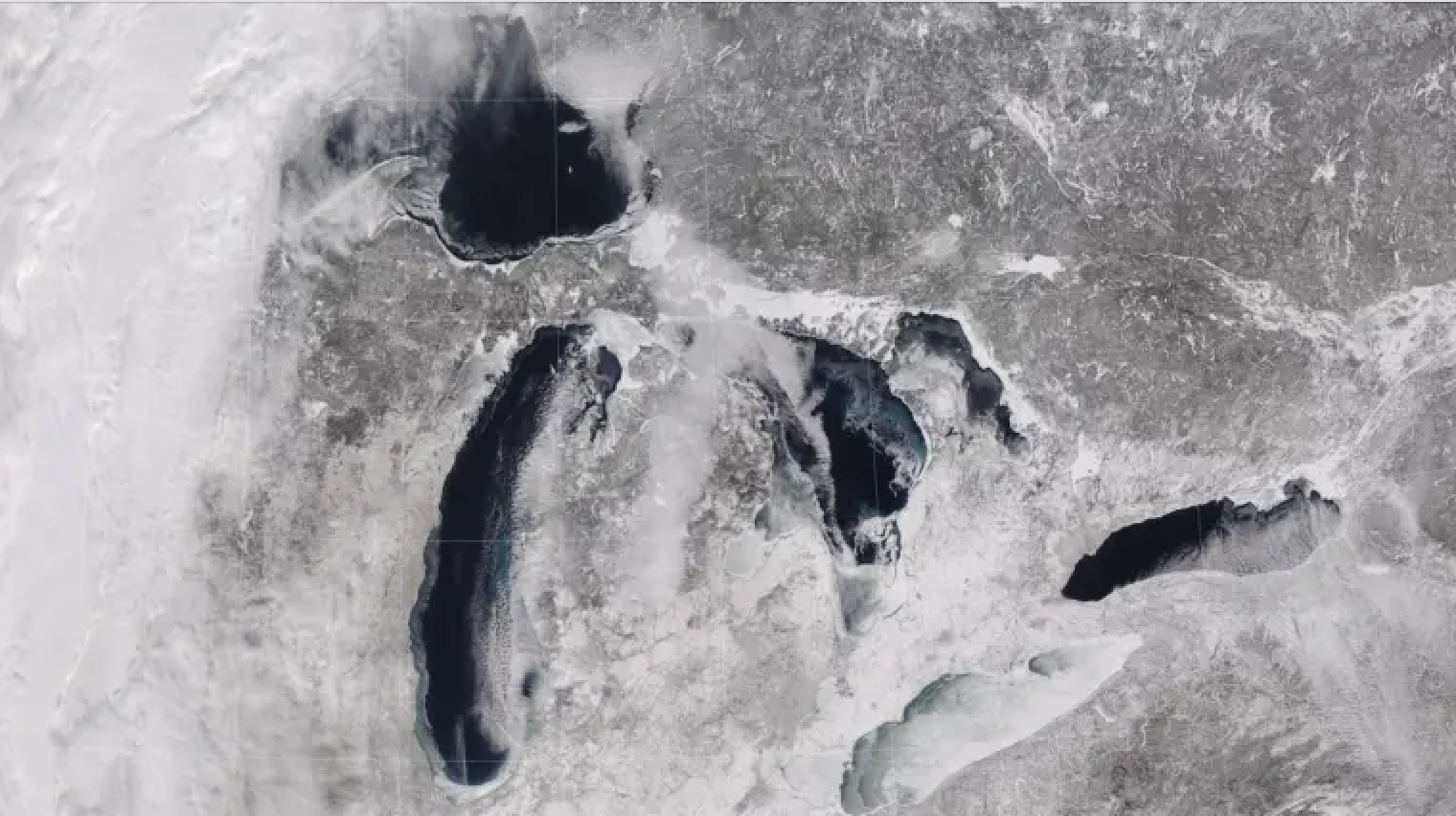
Grist | Vivian La | February 9, 2026
What can over a century of ice data tell us about the Great Lakes' future?
Lake ice on the Great Lakes shapes regional weather, supports cultural traditions, and underpins the health of aquatic ecosystems—yet the scientific record of Great Lakes ice cover has long been limited to roughly 45 years of satellite data. A new study published in Scientific Data addresses that gap by reconstructing ice cover estimates stretching back to 1897, using historical air temperature records from weather stations around the region as a proxy for ice formation. The result is a 120-year dataset that gives researchers a far longer baseline for understanding how the region's winters have changed under climate change.
The dataset is already being applied to pressing ecological questions. Lead author Katelyn King of the Michigan Department of Natural Resources is using it to investigate the historic decline of lake whitefish, a culturally and economically important species whose behavior in under-ice conditions remains poorly understood. The record also captures a pattern familiar across climate systems: dramatic year-to-year variability, from historic ice lows two seasons ago to some of the highest coverage in years in early 2026, masking a clear long-term warming trend. As King notes, these swings between extremes are themselves a signal of a changing climate, and a reminder of why sustained historical observation records are essential for distinguishing natural variability from deeper shifts.
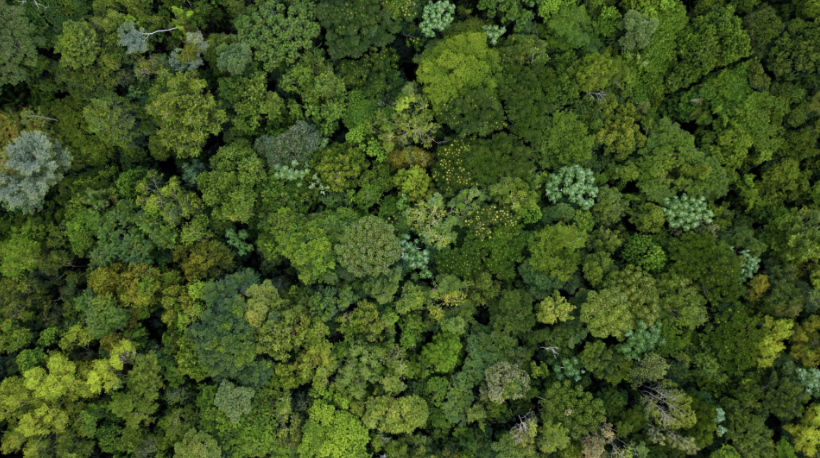
Science Daily | University of Liverpool | January 25, 2026
Forty years of forest data reveal a changing Amazon
A new study published in Nature Ecology and Evolution draws on four decades of tree monitoring to show that climate change is reshaping Amazon and Andean forests in uneven and region-specific ways. The research analyzes repeated measurements from 406 long-term forest plots across ten South American countries, with records dating back to the 1970s and 1980s. Across the South American tropics as a whole, total tree species richness remained relatively stable over the past 40 years. However, this apparent stability masks sharp regional contrasts, with some forests steadily losing species while others are gaining them.
The study finds that forests experiencing hotter, drier conditions and stronger seasonal rainfall variability are most likely to lose tree species. The largest declines in diversity in long-term plots were observed in the Central Andes, the Guyana Shield, and the Central Eastern Amazon. In contrast, the Northern Andes and Western Amazon showed net gains in tree species across most sites, suggesting these regions may act as partial climate refuges as conditions worsen elsewhere. While rising temperatures influence tree diversity across the region, changes in rainfall amount and seasonality emerged as equally important drivers. By linking long-term ecological records with climate trends, the study highlights both the critical value of sustained forest observations and the urgency of protecting intact forests, especially where the Amazon meets the Andes, as climate change and deforestation continue to reshape one of the world’s most biodiverse ecosystems.

Columbia Climate School | January 20, 2026
Get Ready for Smokier Air: Record 2023 Wildfire Smoke Marks Long-Term Shift in North American Air Quality
A new study published in Earth’s Future draws on more than 70 years of air quality, wildfire, and atmospheric observations to show that Canada’s record-breaking wildfire smoke in 2023 reflects a long-term shift toward smokier summers across North America. Using satellite measurements since 2001, surface weather reports of smoke and haze dating back to 1953, and national burned-area records since 1959, the researchers found that 2023 had the highest smoke levels in the 20-year satellite record and the most widespread smoke and haze reports in seven decades. Nearly 15 million hectares burned across Canada, more than twice the previous national record, with 12 of 13 provinces and territories experiencing their worst wildfire smoke on record.
The long-term data reveal a clear east-west transition in air quality drivers. Summer air quality improved in eastern Canada from the 1970s through the early 2000s as industrial emissions declined under air-quality regulations. In contrast, western and northern Canada have seen worsening summertime smoke since the 2000s due to increasing wildfire activity. This pattern mirrors trends in the western United States, where wildfire smoke has become a dominant cause of poor summer air quality. The study notes that fires burned an additional ~5 million hectares in 2024 and ~8 million hectares in 2025, reinforcing that 2023 was not an isolated extreme. Climate projections indicate that continued warming is likely to produce hotter, drier, and more fire-prone summers, underscoring the importance of sustained long-term smoke monitoring, forecasting, and public health measures as wildfire smoke increasingly shapes North American air quality.
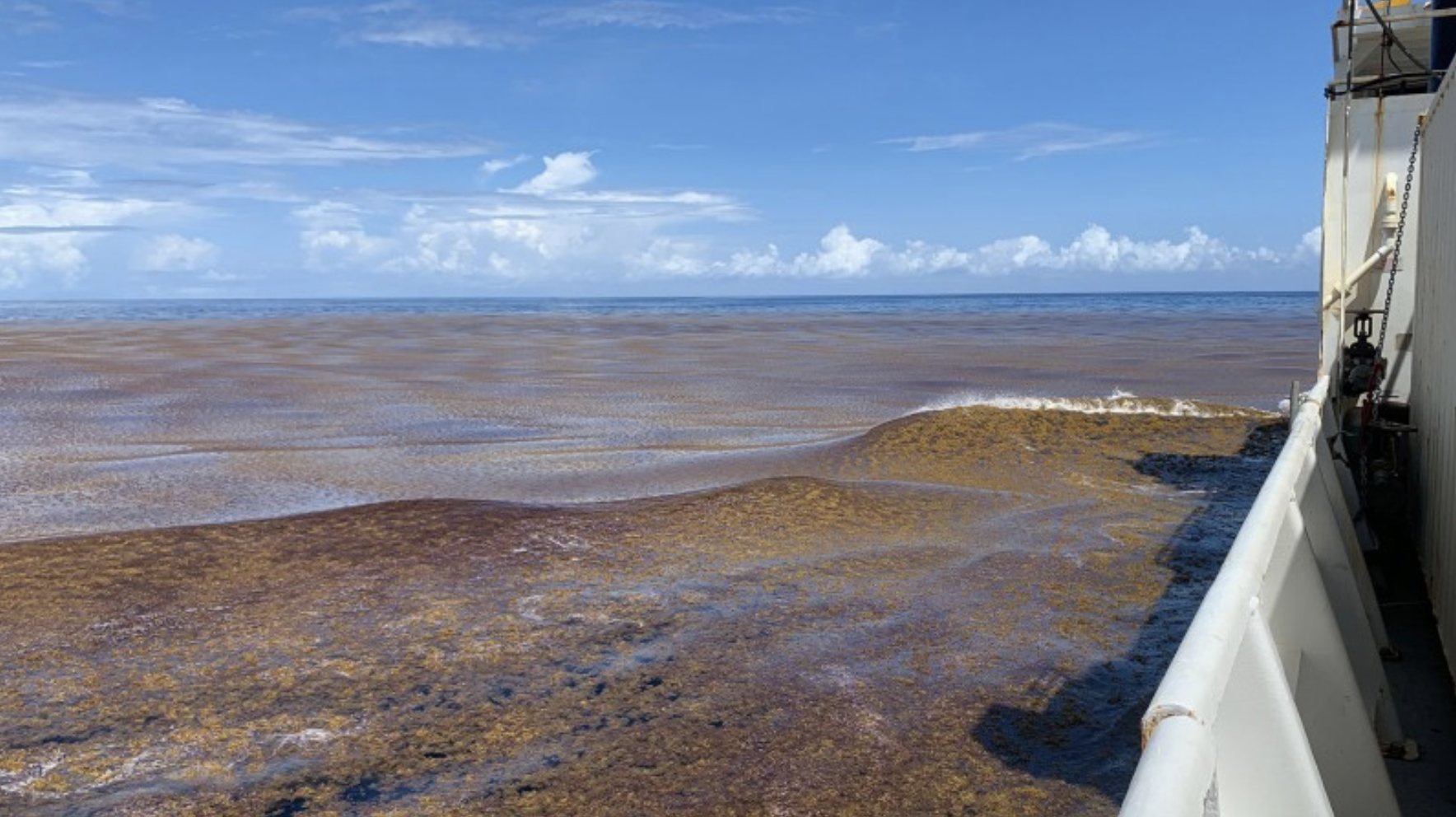
News Wise | Woods Hole Oceanographic Institution | January 15, 2026
New Study Quantifies Sargassum’s Multi-Million Dollar Impact to U.S. Coastal Economies
A new study led by researchers at the Woods Hole Oceanographic Institution and the University of Rhode Island provides the most comprehensive estimate to date of the economic damage caused by recurring sargassum seaweed inundation events along U.S. coastlines. By integrating economic modeling with satellite observations, tourism and fisheries data, and long-term sargassum monitoring, the researchers quantify multi-million-dollar annual losses in Puerto Rico and the U.S. Virgin Islands, and impacts along Florida’s Atlantic coast potentially reaching into the billions. Tourism, recreation, and fisheries emerge as the most affected sectors, as heavy sargassum accumulations discourage visitors, foul beaches, disrupt fishing operations, and damage infrastructure.
Crucially, the study shows that sargassum seasons are starting earlier and lasting longer across the Caribbean and western Atlantic, increasing both the frequency and severity of economic impacts. These events are linked to large-scale changes in Atlantic Ocean circulation and nutrient availability that have fueled the emergence of the “Great Atlantic Sargassum Belt,” a massive bloom system stretching thousands of miles. The authors emphasize that sustained long-term observations combined with effective forecasting tools are essential for helping coastal communities plan responses, protect livelihoods, and guide investments in monitoring, cleanup, and long-term mitigation as ocean conditions continue to change.

The Guardian | Ben Martynoga | December 26, 2025
Defunding fungi: US’s living library of ‘vital ecosystem engineers’ is in danger of closing
Fungi are foundational ecosystem engineers, forming ancient symbiotic partnerships that sustain most plant life and underpin soil health, food production, and carbon storage. A recent Guardian report warns that the International Collection of Vesicular Arbuscular Mycorrhizal Fungi (INVAM)—the world’s largest living library of arbuscular mycorrhizal (AM) fungi housed at the University of Kansas—may be forced to close within a year due to federal funding cuts. Established in 1985 and supported entirely by U.S. government grants, INVAM preserves more than 900 living fungal strains collected from six continents, organisms that form symbiotic relationships with roughly 70% of land plants, enhance nutrient uptake, improve drought and disease resistance, and store significant amounts of carbon underground. The collection’s most recent National Science Foundation funding ended in May, and proposed cuts of up to 57% to NSF’s budget threaten renewal, leaving the collection reliant on short-term grants and volunteer labor. Because AM fungi must be continuously cultured by highly trained staff to remain viable, closure would mean permanent loss of irreplaceable biological material essential for ecosystem restoration, sustainable agriculture, and climate research. Scientists quoted in the article emphasize that most commercial fungal biofertilizers are ineffective or contaminated, underscoring the importance of publicly funded, rigorously maintained collections like INVAM for both basic science and real-world environmental solutions.

Alaska Beacon | Yereth Rosen | December 16, 2025
Ecosystem shifts, glacial flooding and ‘rusting rivers’ among Alaska impacts in Arctic report
NOAA’s 2025 Arctic Report Card documents accelerating physical and ecological changes across the Arctic, with Alaska experiencing some of the most visible impacts, including record warmth, diminished sea ice, intensified precipitation, thawing permafrost, glacier retreat, and widespread ecosystem shifts. The peer-reviewed report, produced by more than 100 scientists from 13 countries, finds that the Arctic has warmed faster than the global average, with the past decade comprising the warmest years on record, the lowest winter sea-ice maximum in the satellite era, and a 50% decline in June snow cover since the 1960s. In Alaska, warming has contributed to boreal species (species typically associated with warmer, subarctic biomes) displacing Arctic species in the Bering and Chukchi Seas, increasing risks to fisheries, food security, and Indigenous subsistence; more frequent and severe glacial outburst floods such as the 2025 Mendenhall River flood in Juneau; landslides and tsunami hazards linked to glacier retreat; and the emergence of more than 200 “rusting river” watersheds caused by permafrost thaw releasing iron and other metals. The report underscores that these Arctic changes have global consequences through sea-level rise, altered weather patterns, and disruptions to major food systems. One of the report’s coauthors, G. Wolken, noted that: “From the deep oceans to the highest peaks, the Arctic cryosphere is undergoing rapid, interconnected and unprecedented change, and those changes matter far beyond the Arctic.”
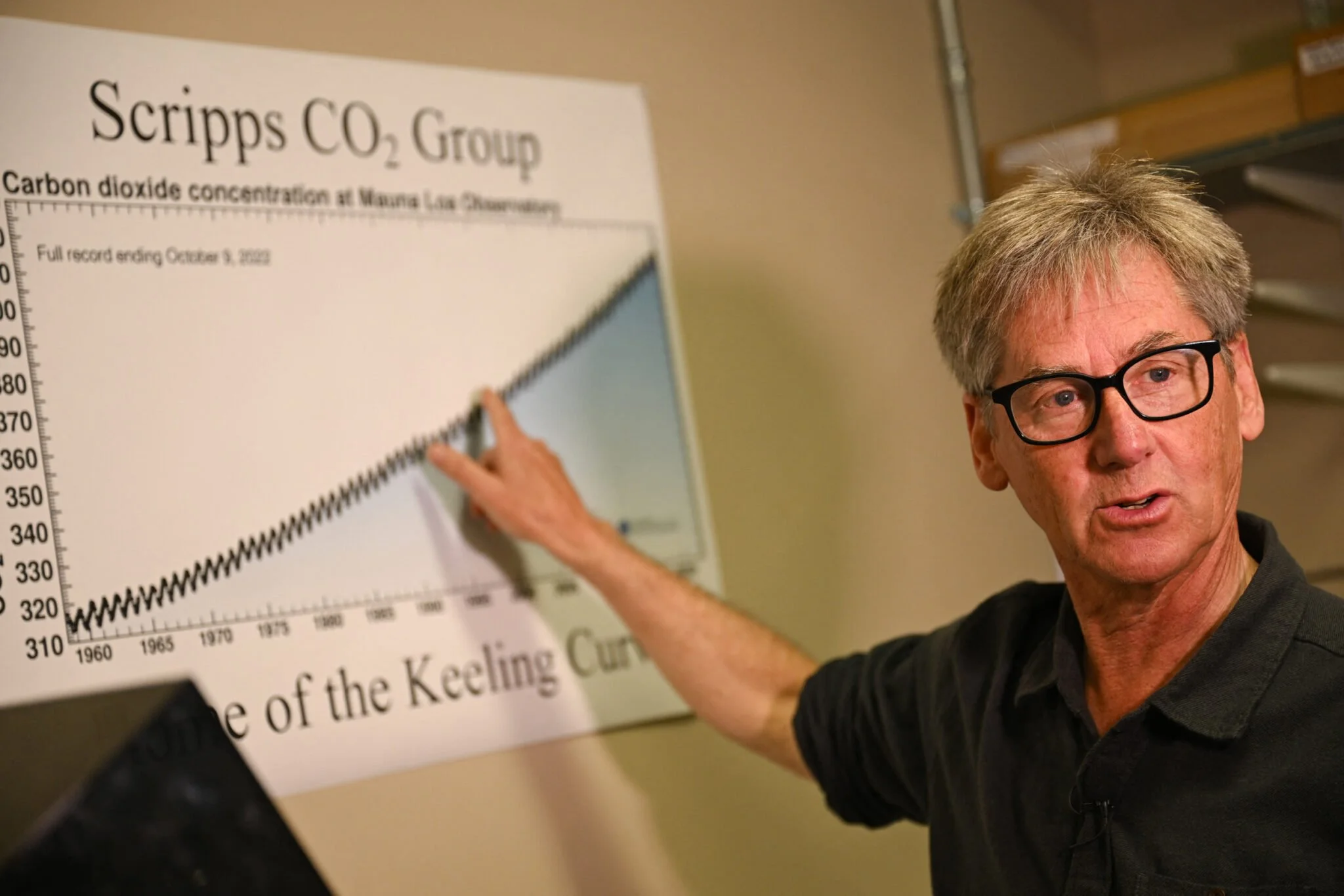
Inside Climate News | Marianne Lavelle | December 5, 2025
Global Scientists Anticipate Less Reliance on the US in Future Carbon Monitoring
The U.S. is losing its premier role in monitoring global climate changes. An Inside Climate News report examines how proposed and ongoing cuts to U.S. climate research—particularly to NOAA and its Global Monitoring Laboratory—are prompting the global scientific community to prepare for a future with less reliance on the United States for atmospheric carbon dioxide monitoring. NOAA currently supplies about 40 percent of the observations used to calculate global CO₂ concentrations and serves as the international calibration and quality-control anchor for measurement standards, including the historic Mauna Loa record that underpins the Keeling Curve. Although short-term funding has been temporarily preserved through congressional action, continued uncertainty, staffing losses, and reduced spending have raised concerns about the long-term continuity of these observations. In response, international networks in Europe and elsewhere are working to build redundancy and expand capacity to sustain global carbon monitoring, even as scientists emphasize that the loss or interruption of long-term records cannot be replaced and would permanently weaken our ability to track and understand changes in Earth’s atmosphere.
Chinese Academy of Sciences | Zhang Nannan | November 28, 2025
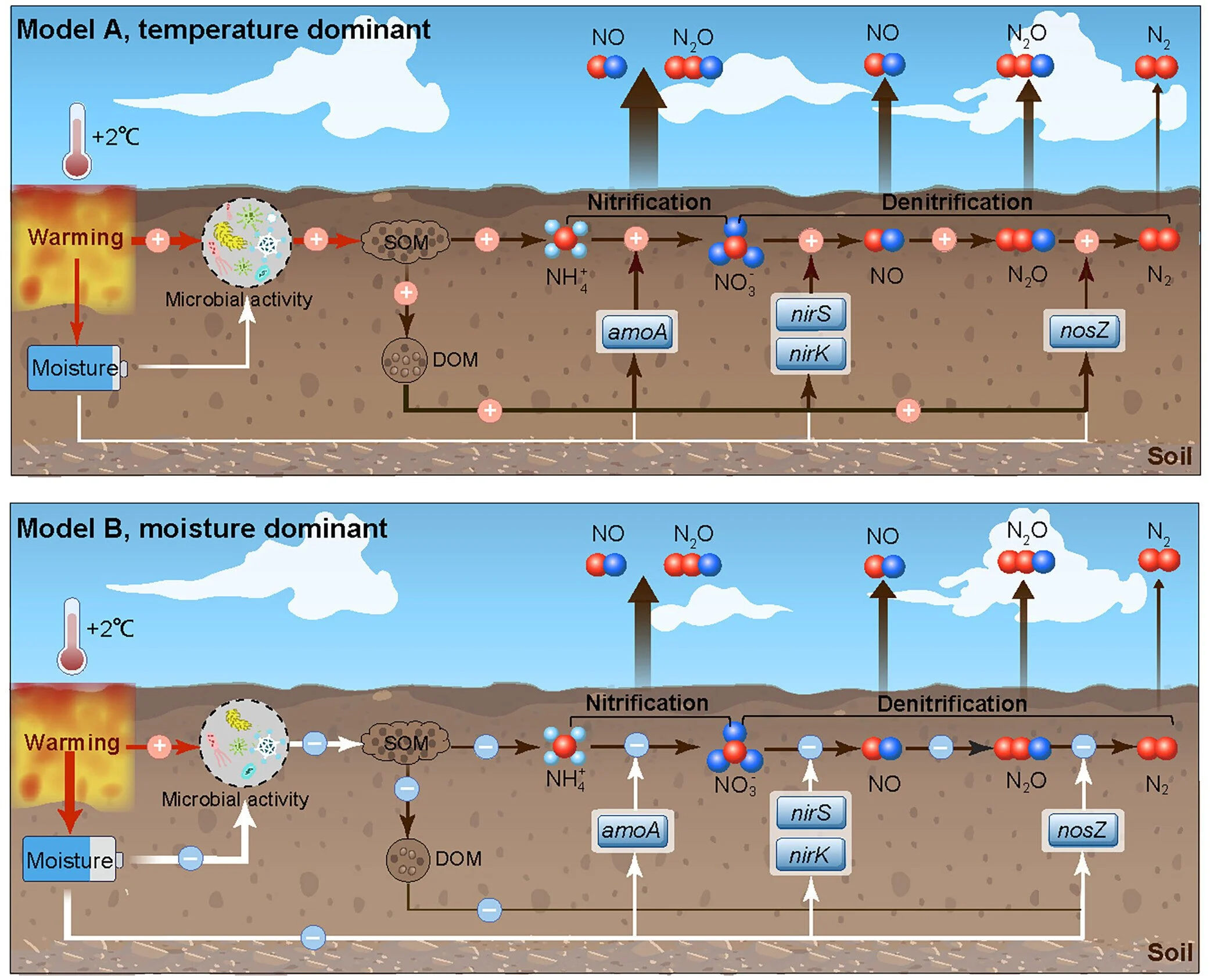
Long-term field data reveal temperature increases reduce temperate forest NO and N₂O emissions
New long-term field measurements from the Qingyuan Forest Warming Experiment—the world’s largest infrared forest-warming platform—show that a 2 °C temperature increase reduces gaseous nitrogen losses from temperate forest soils. Using more than 200,000 automated measurements collected over six years, researchers found that warming decreased nitric oxide (NO) emissions by 19% and nitrous oxide (N₂O) emissions by 16%, contradicting long-held expectations based on laboratory-derived temperature sensitivities. The study shows that even modest warming-induced soil drying can suppress the microbial processes that generate these gases, offering new insight into how nutrient cycling responds to climate change. By revealing that field-based nitrogen responses differ substantially from model assumptions, this work underscores the essential role of long-term, high-resolution ecosystem observations in improving climate and biogeochemical models.
Science Advances | Siqi Zhang et al. | November 5, 2025
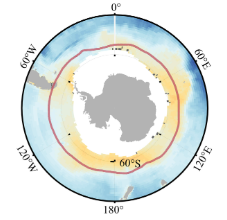
Substantially underestimated winter CO₂ sources of the Southern Ocean
A new LTO study in Science Advances reveals that wintertime CO₂ outgassing in the Southern Ocean has been underestimated by up to 40%. The study used satellite LIDAR data combined with machine learning to deliver the first year-round estimate of air–sea CO₂ fluxes in the Southern Ocean from 2007–2020. The authors show that while the mid-latitude Southern Ocean (30–50°S) is a steadily strengthening carbon sink, the high-latitude band (50–90°S) alternates between CO₂ uptake and release, with winter outgassing strongly influenced by shifts in the Southern Annular Mode, a key climate pattern that governs Southern Hemisphere westerly winds. Their analysis finds that changes in the air–sea CO₂ partial pressure difference, increasingly control variability in CO₂ fluxes. They propose a “three-loop” framework in which different combinations of temperature, salinity, sea ice, biology, and atmospheric CO₂ dominate surface pCO₂ at different latitudes. These results show that winter processes and regional heterogeneity are critical to the Southern Ocean’s role in the global carbon budget and underscore the need for sustained, year-round observing systems to constrain carbon-cycle feedbacks in this climate-sensitive region.
Nature Communications | Zhao, Y., Tao, Y., Chen, Y. et al. | November 4, 2025
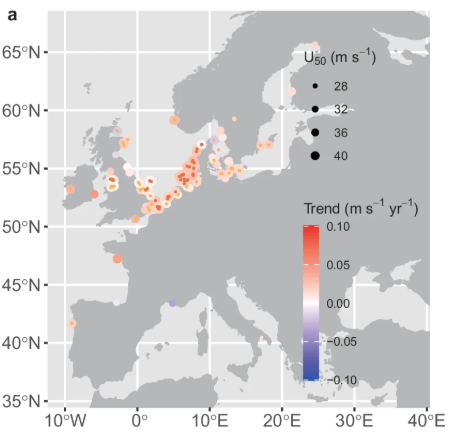
Increasing extreme winds highlight the need for strengthening resilience of offshore wind projects
Using more than eight decades of hourly wind data, Zhao et al. show that extreme ocean winds relevant for turbine design have strengthened across much of the world’s coasts. The 50-year return wind speed (U₅₀) increased on average by 0.016 m s⁻¹ per year and rising in nearly two-thirds of coastal regions. The study finds that over 40% of existing and planned offshore wind farms in Asia and Europe have already experienced wind speeds above the design threshold for Class III turbines. Many of these projects are located where U₅₀ is still increasing due to changes in tropical and extratropical cyclone activity. Rather than arguing against offshore wind, the authors emphasize that these long-term wind and sea-surface temperature records are essential for strengthening its resilience: they highlight the need for higher design-load classes, region-specific engineering standards, and resilience-focused planning that account for evolving extremes over a turbine’s lifetime. This work underscores how sustained, high-quality atmospheric and ocean observations provide the foundation for safe, durable offshore wind expansion in a warming, windier world.
NBC News | Evan Bush and Denise Chow | October 29, 2025
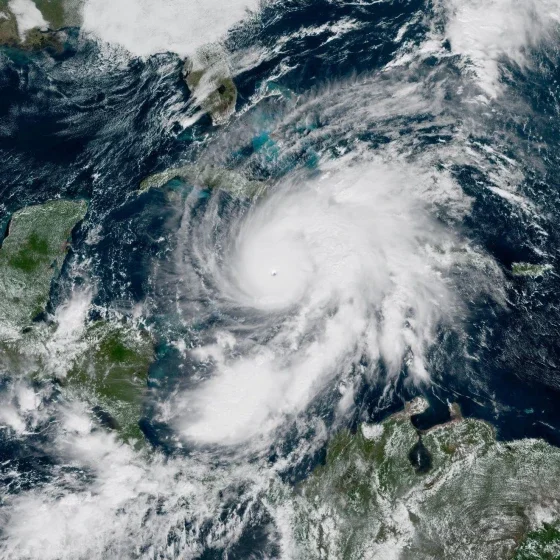
The new face of major hurricanes
Hurricane Melissa, which struck Jamaica and Cuba in late October 2025, exemplifies a new pattern of major hurricanes in a warming world—forming later in the season, intensifying rapidly, and stalling near coastlines. Fueled by sea-surface temperatures 2.5°F above normal, Melissa underwent “extreme rapid intensification,” strengthening from a tropical storm to Category 4 in just 18 hours and reaching Category 5 soon after. Such events are becoming more frequent as warmer oceans and increased atmospheric moisture drive stronger, slower-moving storms capable of producing catastrophic rainfall. While the total number of global hurricanes has declined, those forming in the Atlantic are more likely to reach Category 4 or 5 intensity, reflecting both natural variability (e.g., La Niña conditions) and the influence of climate change on ocean heat and circulation.
University of Illinois School of Earth, Society & Environment | Jake Keister | October 17, 2025
Illinois wind patterns show signs of change, study finds
A new study from the University of Illinois Urbana-Champaign reveals that average wind speeds across Illinois have declined over the past 30 years (1992–2021), while prevailing wind directions have shifted southward—changes not captured by widely used climate reanalysis models. Published in the Journal of Applied Meteorology and Climatology, the research compared three decades of weather station data (23 stations) from the Illinois Climate Network with major reanalysis datasets and found that observed wind speeds decreased by as much as 15% per decade at some stations, particularly around Champaign. These findings carry significant implications for wind energy forecasting, weather modeling, and understanding broader climate shifts in the Midwest. The study underscores the critical role of long-term, ground-based observations in detecting subtle but consequential changes in regional climate systems and improving the accuracy of global atmospheric models.

European Environment Agency | October 3, 2025
Ocean Acidification
According to the European Environment Agency, the ocean absorbs nearly one quarter of human-caused carbon dioxide emissions, driving a measurable decline in seawater pH known as ocean acidification. Ocean acidification reduces the availability of calcium carbonate, hindering the ability of corals, molluscs, and plankton to build shells and skeletons, and causing cascading effects on marine ecosystems and fisheries. Since pre-industrial times, ocean acidity has increased by roughly 30%, equivalent to a pH drop of about 0.1 units. Global surface seawater pH has decreased from 8.11 in 1985 to 8.04 in 2024—an 18% rise in acidity over the past four decades and a 40% rise compared with pre-industrial levels. The most rapid declines are occurring in northern regions, including the Norwegian and Greenland Seas. Data are drawn from long-term measurements at the Aloha Station in Hawaii and global reconstructions by the Copernicus Marine Environment Monitoring Service. Future projections indicate a further pH decline of 0.15 to 0.5 units by 2100, depending on emissions. Efforts to reduce ocean acidification are occurring through EU initiatives such as the European Green Deal, the European Climate Law, and the Marine Strategy Framework Directive, all aimed at minimizing impacts and restoring ocean health.

Nature | Joseph, J. et al. | September 29, 2025
Direct human interventions drive spatial variability in long-term peak streamflow trends across the United States
Surprisingly, human influences drive spatial variability of waterflow in streams. A study published in Communications Earth & Environment examined long-term annual peak streamflow records from 3,907 USGS stations across the U.S., each with a median record length of 80 years. About one-third of the sites showed significant trends in peakflow, with two-thirds of those exhibiting decreases—primarily across the western, central, and southern regions—and one-third showing increases concentrated in the Northeast and Great Lakes. By separating natural and human-driven influences, the authors found that direct human interventions, particularly urbanization and water management, were the dominant factors shaping these regional differences. Urbanization explained up to 62% of the variance in the Texas-Gulf region, 44% in California, and 32% in the Mid-Atlantic, while water management accounted for up to 37% in Tennessee and 30% in the Ohio River Basin. Agriculture and climate played smaller, region-specific roles. The study found that current climate models fail to capture these human-induced effects, emphasizing the importance of long-term hydrologic records for understanding how urbanization, land use, and infrastructure continue to reshape U.S. flood behavior.
Science Daily | Nagoya University | September 9, 2025
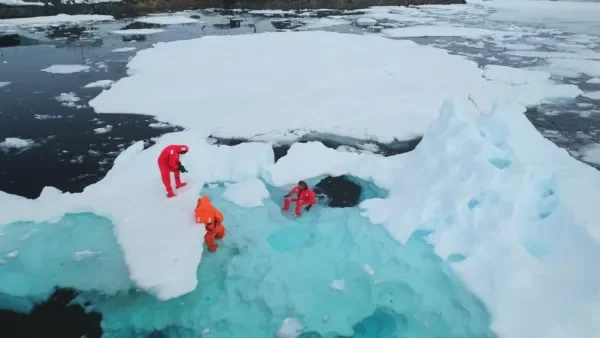
Antarctica’s frozen heart is warming fast, and models missed it
A 30-year study led by researchers at Nagoya University has revealed that East Antarctica’s vast interior is warming significantly faster than its coastal regions by roughly 0.45-0.72°C per decade due to increased warm air transport from the Southern Indian Ocean. Published in Nature Communications, the research fills a critical observational gap using long-term weather data from three unmanned interior stations, exposing a warming mechanism that current climate models fail to capture. The findings indicate that temperature contrasts in the Southern Indian Ocean intensify atmospheric circulation patterns that funnel warm air deep into the Antarctic interior. This discovery suggests that projections of Antarctic temperature rise and ice loss may be underestimated, raising concern that detectable warming and surface melt could soon reach the continent’s coastal zones. The discovery shows the importance of long-term observations in refining climate models.
Nature | Müller, J.D et al. | September 2, 2025
The ocean carbon sink unexpectedly declined under record-high sea surface temperatures in 2023
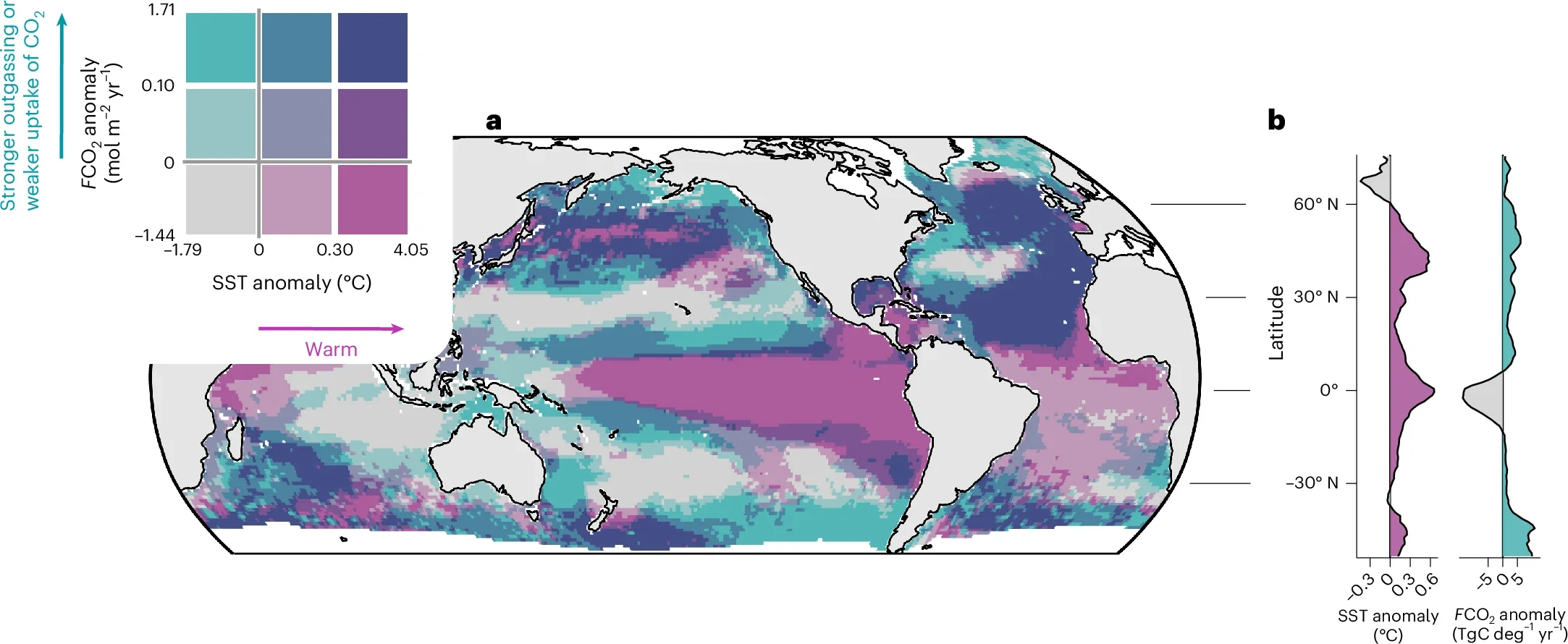
A new study in Nature Climate Change reveals that the ocean absorbed about 10% less carbon dioxide than expected in 2023, despite record-high sea surface temperatures (SSTs) driven by global warming and a strong El Niño. Using four observation-based datasets, researchers found that while El Niño typically enhances carbon uptake by reducing outgassing in the tropical Pacific, this effect was offset by widespread CO₂ release from the unusually warm subtropical and subpolar oceans, particularly in the North Atlantic and North Pacific. Elevated SSTs reduced CO₂ solubility (i.e., the amount of CO₂ that dissolves in the ocean water), weakening the ocean carbon sink by an estimated +0.17 ± 0.12 PgC yr⁻¹ relative to baseline trends. Although some compensating processes, like carbon depletion in surface waters, helped limit further losses, scientists warn that this resilience may not persist under future, more extreme or prolonged warming events. The thumbnail 's (Figure 5 in text) dark purple shading illustrates the breadth of this anomalous weakening, marking regions where the ocean’s ability to absorb carbon fell most sharply.

The Guardian | Damian Carrington | August 28, 2025
Collapse of critical Atlantic current is no longer low-likelihood, study finds
A new study published in Environmental Research Letters finds that the collapse of the Atlantic Meridional Overturning Circulation (AMOC)—a system of ocean currents critical to global climate stability—can no longer be considered a “low-likelihood” event. By running climate models out to the years 2300–2500, researchers discovered that the tipping point making AMOC shutdown inevitable is likely to be crossed within the next few decades, even if collapse itself takes 50–100 years longer. The analysis shows a 70% chance of collapse under high emissions, 37% under intermediate emissions, and 25% even under low emissions consistent with the Paris Agreement. Scientists warn that AMOC failure would shift tropical rainfall belts, disrupt global food systems, plunge Europe into extreme winters and droughts, and add 50 cm to sea level rise, underscoring the urgent need for rapid emissions cuts.
NOAA Research | Theo Stein | July 29, 2025
New research challenges current understanding of ocean’s role in carbon uptake
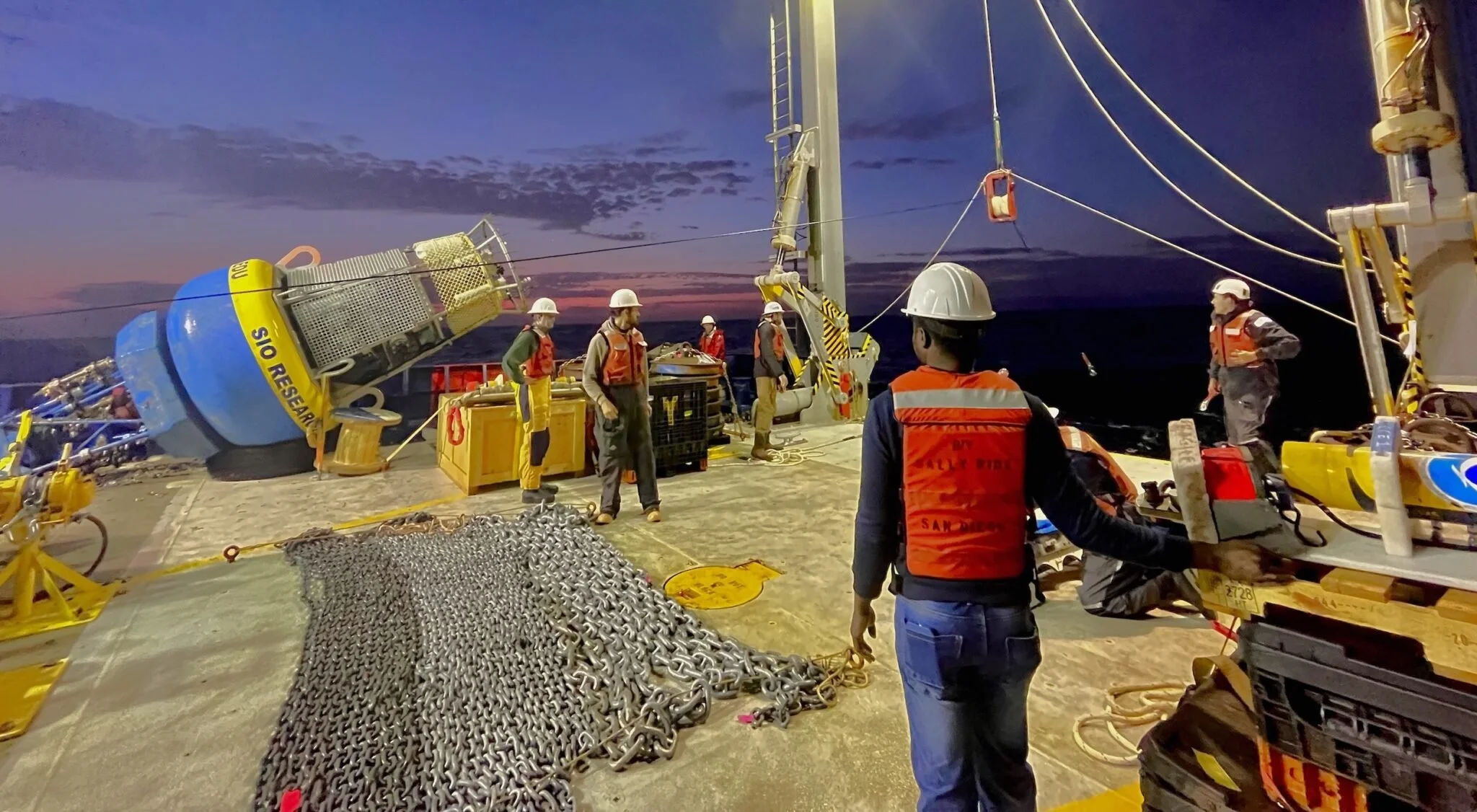
New NOAA research in the California Current Ecosystem challenges long-held assumptions about the ocean’s ability to absorb and store carbon dioxide, based on more frequent long-term observations. By analyzing nearly two decades of ship-based measurements, scientists found that seasonal upwelling, marine heatwaves, and El Niño events can significantly alter the balance of carbon exchange between the ocean and atmosphere. For example, marine heatwaves reduced the region’s carbon uptake capacity, while strong upwelling years temporarily enhanced it. These findings underscore that ocean carbon storage is highly variable over time and space, and that frequent, long-term observations are critical for improving models that estimate how effectively oceans can buffer atmospheric CO₂.

Science Direct | Riyang Liu et al. | July 19, 2025
Racial and ethnic disparities in exposure to short-term NO2 air pollution in California during 1980–2022
A new study in Journal of Hazardous Materials presents the first high-resolution, long-term analysis of racial and ethnic disparities in short-term nitrogen dioxide (NO₂) exposure across California from 1980 to 2022. Using a deep learning framework with daily estimates at ~1 km resolution, researchers found that although overall NO₂ levels declined substantially for all groups, relative disparities widened. By 2020, Hispanic or Latino residents experienced nearly three times as many days above 50 µg/m³ compared to non-Hispanic White residents—up from a 32% difference in 1980. Similar elevated exposures were found among Black, American Indian, Alaska Native, Asian, and Pacific Islander populations. These findings highlight that while air quality improvements have benefited all Californians, inequities in exposure persist and have grown more severe, underscoring the importance of long-term observational data for shaping equitable pollution control and public health policies.

The Guardian | Graham Readfearn | July 1, 2025
Tracking sea ice is ‘early warning system’ for global heating – but the US is halting data sharing
Tracking sea ice is an important metric for monitoring our climate crisis. Yet scientists warn that critical monitoring of polar sea ice—a key early warning system for global heating—faces disruption after the U.S. Department of Defense announced it will stop processing and sharing satellite data long used to track Arctic and Antarctic conditions. The National Snow and Ice Data Center’s Sea Ice Index, which uses this data, provides near real-time information essential for understanding how sea ice loss accelerates planetary warming, destabilizes ice shelves, and contributes to sea level rise. Recent studies show record-low Antarctic sea ice driving increased iceberg calving, weakening ice shelves, and threatening species such as emperor penguins. While alternative satellites may partially fill the gap, scientists caution that discontinuing these measurements will degrade the consistency of long-term records, increasing uncertainty at a moment when robust data is most urgently needed.

Science Daily | University of California - Riverside | June 20, 2025
The Atlantic's chilling secret: A century of data reveals ocean current collapse
A new study from the University of California, Riverside has resolved a century-old puzzle: the persistent cold patch south of Greenland. Using over 100 years of ocean temperature and salinity data, researchers found that only climate models simulating a weakening Atlantic Meridional Overturning Circulation (AMOC) reproduce the observed cooling and freshening in this region. The AMOC—often described as a giant conveyor belt of heat and salt—plays a critical role in regulating climate across the Northern Hemisphere. Its long-term slowdown, now confirmed, has far-reaching consequences, from altering European weather patterns and shifting the jet stream to reshaping marine ecosystems. The findings also reveal that many recent climate models have underestimated this oceanic shift, underscoring the importance of long-term observational records for improving future climate forecasts.

Nature Ecology & Evolution | Jean-Pierre Gattuso et al. | May 28, 2025
US federal cuts threaten international ocean science and diplomacy
Global ocean science, conservation, and climate resilience are undermined by recent disruptions ot U.S. federal science, warns 17 international scientists In a Nature Ecology & Evolution correspondence. The proposed $3.5 billion cut to NASA’s Earth science budget cuts, program terminations, and restrictions on key research areas including reductions to Earth-observing satellite missions, jeopardize long-term monitoring of ocean temperatures, sea level rise, aerosols, cloud dynamics, and the global carbon cycle. These cuts come just as data confirm record-breaking ocean temperatures in 2023–2024 and unexpectedly high rates of sea level rise. The authors caution that halting these observations will compromise early warning systems, international assessments, and the scientific foundations of marine policy.
MIT Technology Review | James Temple | May 14, 2025
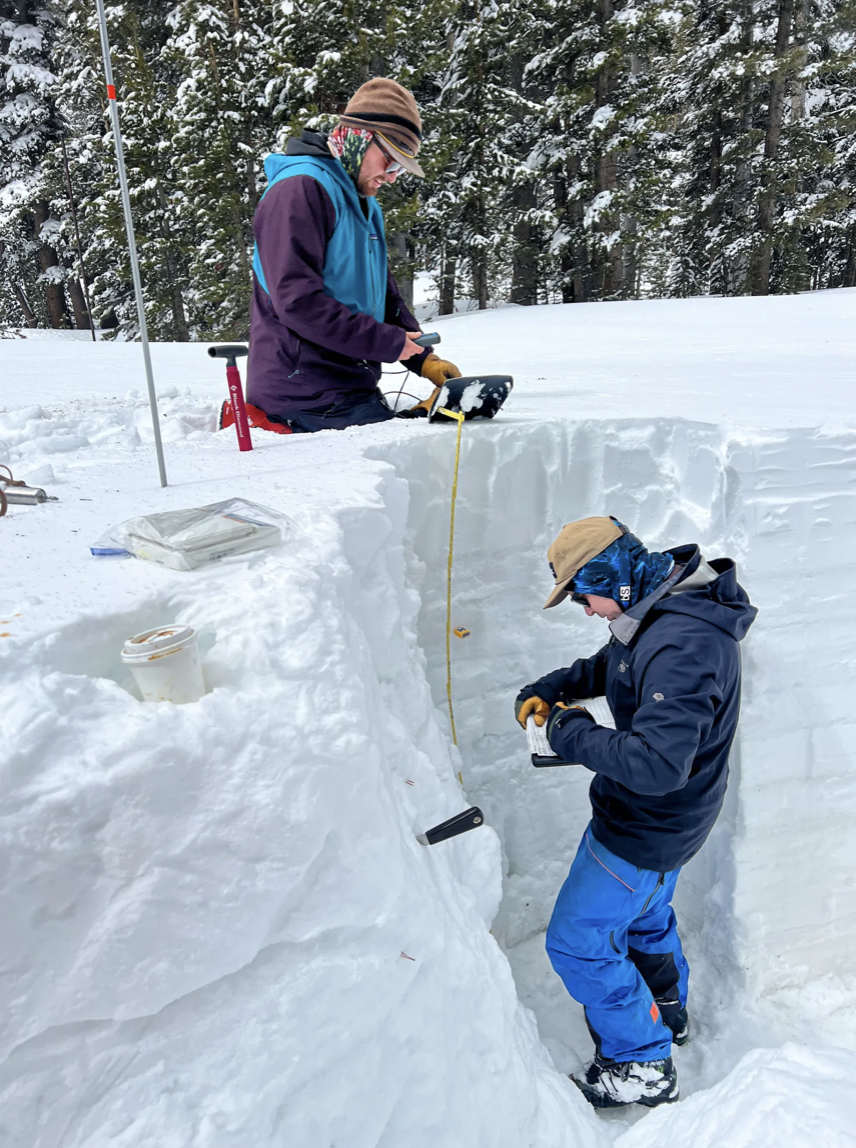
Why climate researchers are taking the temperature of mountain snow
Global ocean science, conservation, and climate resilience are undermined by recent disruptions to U.S. federal science, warns 17 international scientists In a Nature Ecology & Evolution correspondence. The proposed $3.5 billion cut to NASA’s Earth science budget cuts, program terminations, and restrictions on key research areas including reductions to Earth-observing satellite missions, jeopardize long-term monitoring of ocean temperatures, sea level rise, aerosols, cloud dynamics, and the global carbon cycle. These cuts come just as data confirm record-breaking ocean temperatures in 2023–2024 and unexpectedly high rates of sea level rise. The authors caution that halting these observations will compromise early warning systems, international assessments, and the scientific foundations of marine policy.
The Guardian | Tom Perkins | May 12, 2025
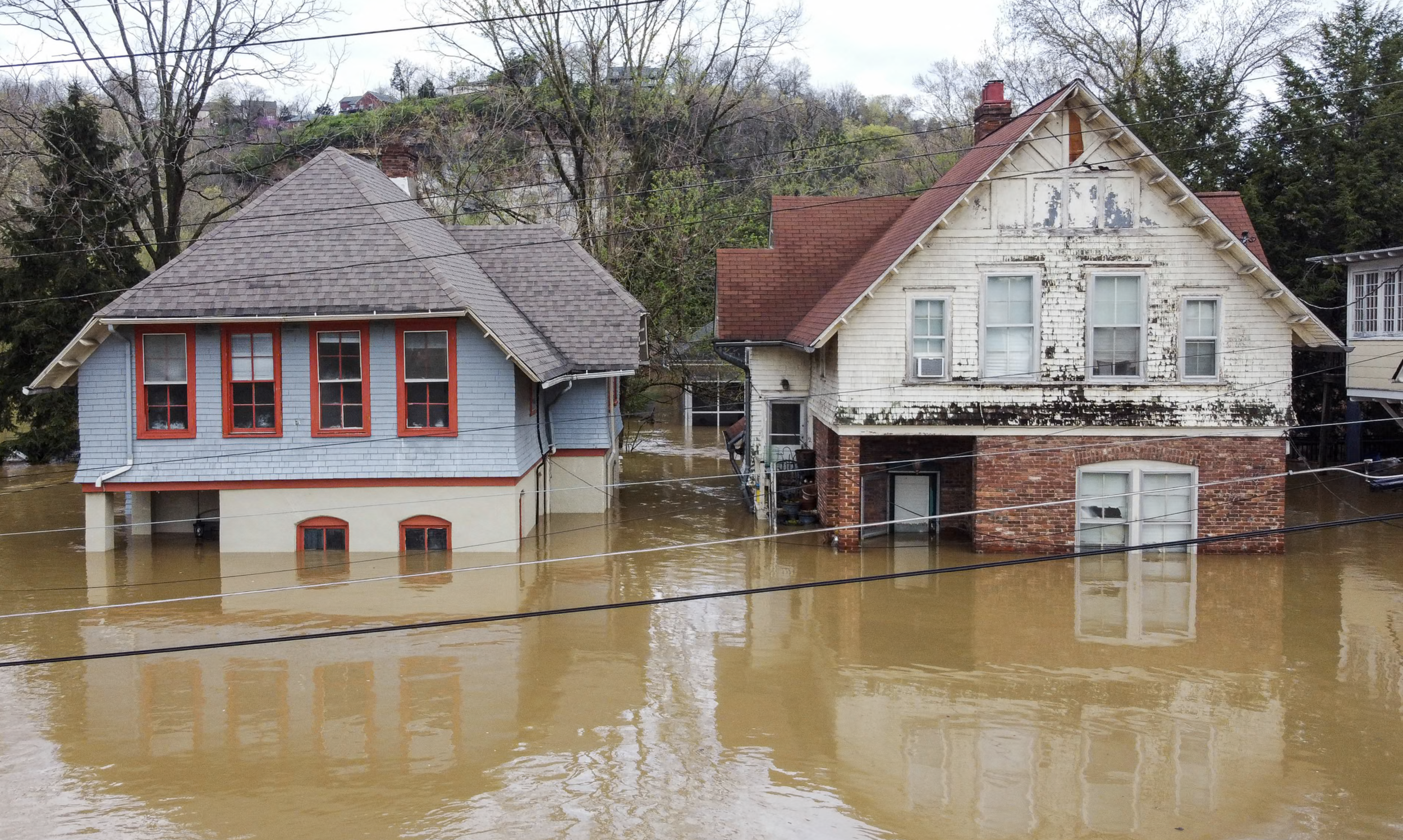
White House plan to shut down USGS flood-detecting streamgages threatens human life, property, and the economy
In a major blow to the nation’s climate and water monitoring infrastructure, the Trump administration has ordered the closure of 25 U.S. Geological Survey (USGS) Water Science Centers across the country. These centers provide critical real-time data on surface water levels through 8700 streamgages on our nation’s rivers, as well as data on ground water. The data inform everything from flood warnings and drought declarations to emergency response and pollution tracking. Experts warn that shuttering these facilities—without a clear replacement plan—will significantly undermine the nation’s ability to safeguard water supplies, respond to natural disasters, and manage infrastructure and public health risks tied to climate extremes. The decision, made without scientific justification and largely based on expiring leases, highlights growing concern over the erosion of long-term environmental observation networks vital to national resilience.

Science | Paul Voosen | April 11, 2025
Trump seeks to end climate research at premier U.S. climate agency
The Trump administration is planning drastic cuts to climate research and observations. A draft 2026 budget obtained by Science shows that the administration plans to eliminate NOAA’s Office of Oceanic and Atmospheric Research, slashing its funding by $485 million and effectively shuttering 10 national climate‑, weather‑ and ocean‑science labs, cooperative institutes and competitive research grants. The proposal would also gut coastal‑zone and satellite programs, including cuts to regional climate data services and the nation’s primary climate‑data archive. Parallel plans would cut NASA’s science portfolio almost in half—jeopardizing Earth‑observing satellites and other flagship missions. Researchers and Democratic lawmakers warn that the move would cripple U.S. capabilities in climate monitoring and forecasting. Congress will have the final say when it writes the 2026 appropriations.

The Guardian | Oliver Milman | March 27, 2025
US could see return of acid rain due to Trump’s rollbacks, says scientist who discovered it
Gene Likens—the scientist who first exposed acid rain in the 1960s—warns that the Trump administration’s plan to weaken or scrap 31 EPA air‑ and water‑pollution rules, and to cut funding for his 49‑year rain‑acidity monitoring program, could undo decades of Clean Air Act progress that has lowered rainfall acidity by 85 percent. Rolling back limits on sulfur‑dioxide and nitrogen‑oxide emissions from power plants and vehicles would, he says, “risk taking us back to the pre‑EPA world” of toxic precipitation that once killed fish, leached nutrients from soils, and corroded buildings across the eastern United States. Former EPA chief William Reilly and other researchers echo the concern, warning that aggressive deregulation could gradually revive smoggy skies and polluted waterways. The current EPA leadership frames the moves as historic economic deregulation. But at what cost to us all?

The Guardian: Terrawatch | Kate Ravilious | February 26, 2025
Plants losing appetite for carbon dioxide amid effects of warming climate
We depend on land plants to act as a carbon sink. A new study in the journal Weather indicates that Earth’s plants and soils may be losing their ability to absorb rising carbon dioxide levels, with global carbon sequestration peaking in 2008 and then declining by about 0.25% each year. Curran and Curran analyzed atmospheric CO₂ data and found that while increased CO₂ and warmer temperatures originally boosted plant growth, ongoing climate impacts—such as wildfires, drought, storms, pests, and heat stress—have started to erode those gains. With emissions still rising by about 1.2% annually, the authors estimate a 0.3% annual reduction in emissions is needed merely to maintain current atmospheric conditions. Their findings underscore the importance of sustained, high-quality CO₂ measurements in detecting these shifts and highlight the urgent need for stronger climate action.

Nature Climate Change | Emanuele Bevacqua, Carl-Friedrich Schleussner & Jakob Zscheischler | February 10, 2025
A year above 1.5 °C signals that Earth is most probably within the 20-year period that will reach the Paris Agreement limit
A study in Nature Climate Change reveals that 2024 was the first calendar year where global temperatures rose above 1.5°C. This milestone likely signals that Earth has entered the 20-year period where average global temperature reaches the Paris Agreement’s lower limit. Researchers use global climate models to couple or combine ocean, atmosphere, and other physical and chemical interactions to better predict future conditions on Earth. The newest of these coupled models is called the Coupled Model Intercomparison Project Phase 6 (CMIP6). Drawing on observational data and the CMIP6 simulations, the research shows that past temperature thresholds have reliably marked the onset of these long-term warming phases. Their findings underscore the urgency of climate action, as a 1.5°C world brings heightened risks over the coming decades. Maintaining rigorous, long-term observations remains vital for detecting early warning signs and guiding effective mitigation and adaptation strategies.

The Guardian | Patrick Greenfield | January 21, 2025
A third of the Arctic’s vast carbon sink now a source of emissions, study reveals
A recent study published in Nature Climate Change reveals that over 30% of the Arctic’s tundra, forests, and wetlands have transitioned from a carbon sink to a net carbon source, rising to 40% when emissions from wildfires are included. Decades of monitoring data from 200 study sites between 1990 and 2020 across the Arctic underscore how rising temperatures are thawing permafrost and releasing previously stored carbon, accelerating global warming. The study highlights that Arctic soils, which contain close to half of the Earth's soil carbon pool—far more than what is currently in the atmosphere—pose a significant threat if released. As temperatures rise, previously frozen soils warm, allowing organic matter to decompose and emit carbon into the atmosphere, a process known as the permafrost-carbon feedback. These findings emphasize the urgent need for sustained observation efforts to track ecosystem changes and inform climate mitigation strategies as natural carbon sinks face increasing strain.

SciTechDaily | Northumbria University | December 20, 2024
CryoSat-2 and ICESat-2 Reveal Alarming Speed of Greenland’s Ice Meltdown
New data from CryoSat-2 and ICESat-2 reveals that the Greenland Ice Sheet has thinned by an average of 1.2 meters between 2010 and 2023, with significant thinning—up to 75 meters—observed at key outlet glaciers like Zachariae Isstrøm. The combined radar and laser measurements provide a precise view of the ice sheet’s volume changes, with total ice loss amounting to 2,347 cubic kilometers—enough to fill Africa’s Lake Victoria—over 13 years. The ESA-NASA partnership further synchronized the satellites' orbits, enhancing the ability to track ice loss with unprecedented accuracy. This research underscores the vital role of satellite coordination in monitoring polar ice changes and preparing for global sea level rise.
MSN | Emily Mae Czachor | December 10, 2024
Arctic tundra becoming a source of carbon dioxide emissions, NOAA warns
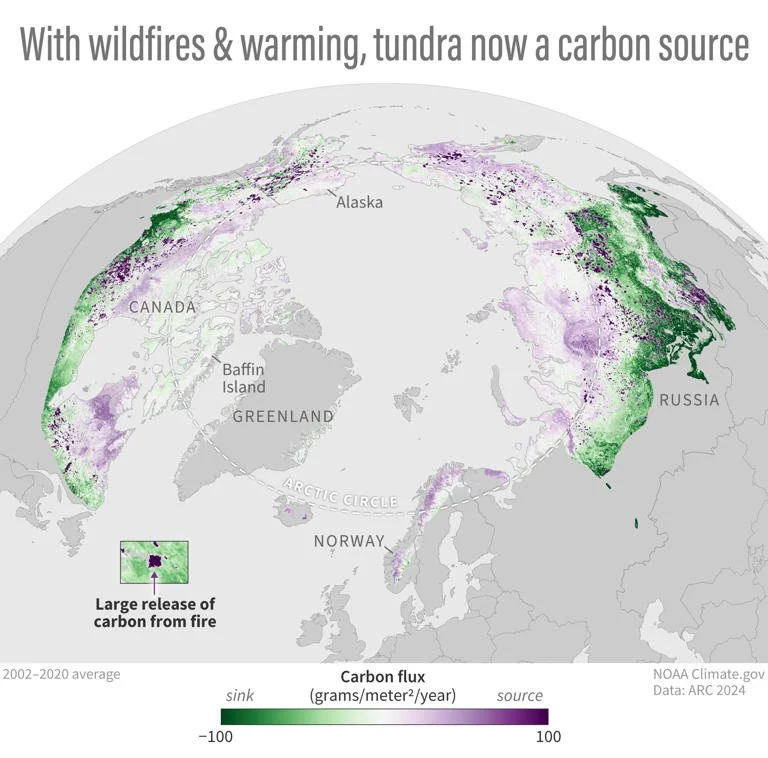
The 2024 NOAA Arctic Report Card highlights a troubling shift in the Arctic's carbon balance due to rising temperatures, permafrost thaw, and record-breaking wildfires. Once a significant carbon sink, the tundra is now emitting more carbon than it absorbs. In 2024, Alaskan permafrost temperatures were the second-highest ever recorded, while wildfire emissions across the Arctic reached the second-highest annual levels. The net increase in greenhouse gas emissions is accelerating global climate change. NOAA Administrator Rich Spinrad emphasized the urgent need to reduce fossil fuel pollution to mitigate further impacts.

Azernews | Alimat Aliyeva | November 27, 2024
Rapid growth of "Big Garbage Patch" records in Pacific Ocean
Recent observations by The Ocean Cleanup organization reveal a significant rise in plastic pollution within the Great Pacific Garbage Patch (GPGP). Between 2015 and 2022, plastic fragments increased nearly fivefold, from 2.9 kg to 14.2 kg per square kilometer, with fine plastic particles surging from 1 million to 10 million per square kilometer over the same period. Notably, 74-96% of the new plastic debris is estimated to originate from other parts of the world's oceans, transported by currents, highlighting the global nature of this issue. Approximately 300 million tons of plastic enter the world's oceans annually, and most of it persists for decades without decomposing. The exponential growth of plastic fragments in the GPGP is causing severe damage to marine ecosystems, with microplastics—comprising about 94% of the objects in the patch—often mistaken for food by marine life. This accumulation threatens both flora and fauna, with at least 40 different organisms now inhabiting the plastic debris.

Nature | Sebastian Sippel | November 20, 2024
Early-twentieth-century cold bias in ocean surface temperature observations
A recent study published in Nature reveals that existing estimates of ocean temperatures in the early twentieth century (1900-1930) are too cold, based on independent statistical reconstructions of global mean surface temperature from land and ocean observations. The study demonstrates that the ocean-based reconstruction is on average about 0.26°C colder than the land-based one during this period, despite high agreement in all other periods, suggesting a cold bias in historical sea surface temperature observations. This finding implies that the actual ocean warming since the pre-industrial era may be slightly less than previously thought.
NOAA | AOML Communications to Physical Oceanography | October 31, 2024
Study reveals acceleration in Pacific upper-ocean circulation over past 30 years
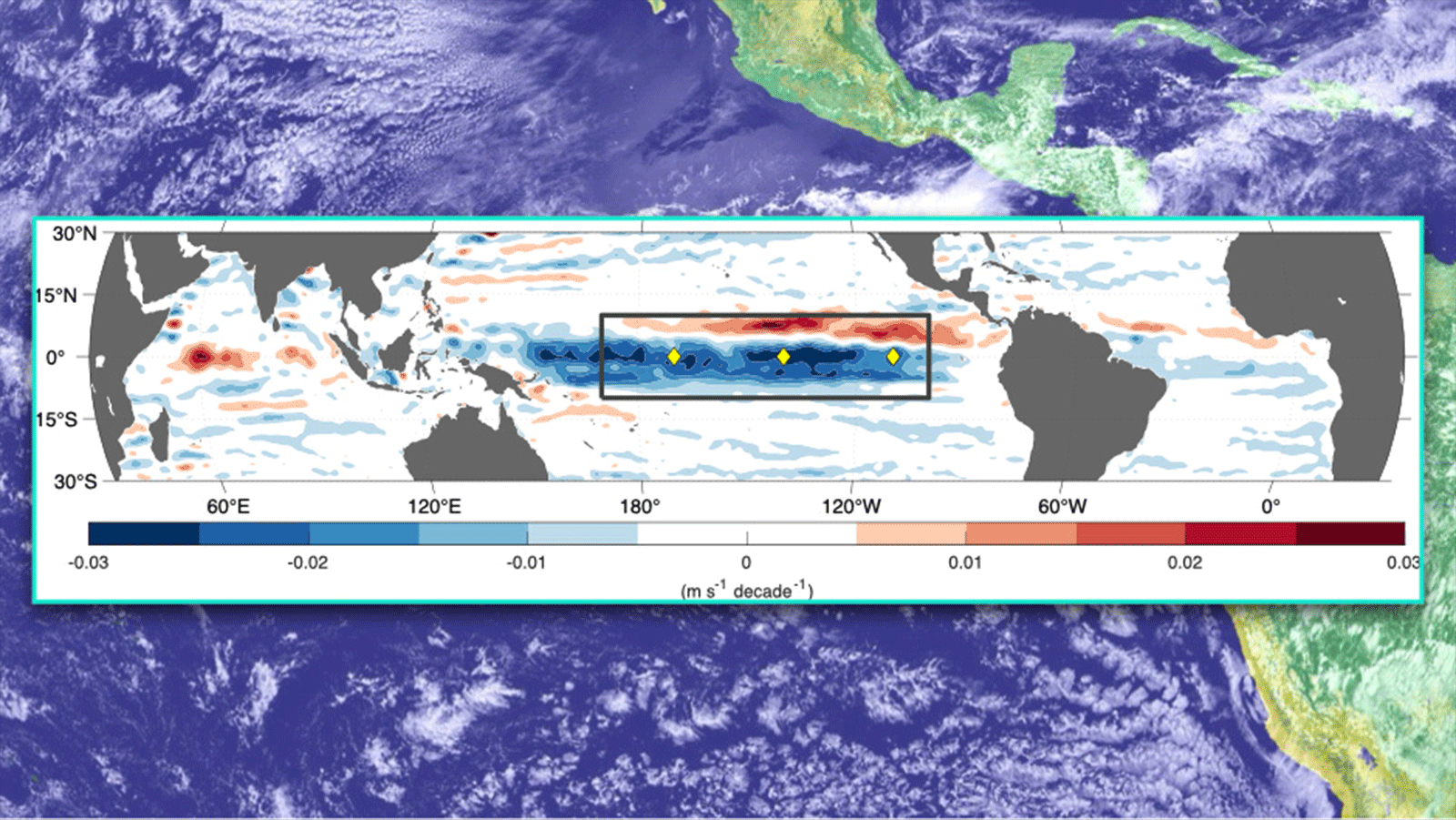
Thirty years (1993–2022) of concurrent satellite and in-situ observations show a significant acceleration of upper ocean circulation of the equatorial Pacific, driven by intensifying atmospheric winds and leading to increased oceanic currents that are both stronger and shallower. This shift is influencing global weather patterns, including the frequency and intensity of El Niño and La Niña events. The study highlights the interconnectedness of ocean circulation and climate, emphasizing the need for sustained observations to predict future changes.
MIT | Jennifer Chu | October 29, 2024
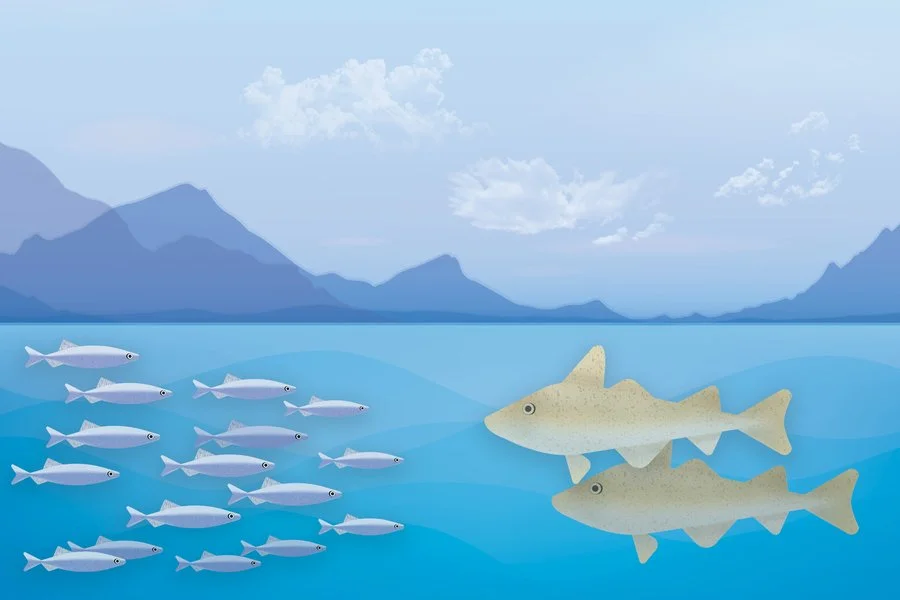
Oceanographers record the largest predation event ever observed in the ocean
A team of MIT and Norwegian oceanographers recently observed the largest predation event ever recorded: Atlantic cod feeding on over 10 million capelin, a small Arctic fish about the size of an anchovy, during the height of their spawning season off the coast of Norway. The event, observed with high-resolution sonic-based wide-area imaging, provides a rare glimpse into the scale and complexity of deep-sea predator-prey interactions. Such findings underscore the critical role of advanced oceanographic tools in uncovering the hidden dynamics of marine ecosystems.

NOAA | Theo Stein | September 26, 2024
Biden-Harris Administration, NOAA invest $6.7 million for ocean observing systems
The Biden-Harris Administration and NOAA are investing $6.7 million to enhance ocean observing systems used to investigate the ocean’s impact on climate and weather. This significant funding allocation demonstrates the government’s commitment to advancing our understanding of oceanic processes and their role in shaping global climate patterns. The investment will likely lead to improved data collection and analysis capabilities, enabling scientists to better predict and respond to climate-related challenges.
MSU | Emily Lorditch | September 9, 2024
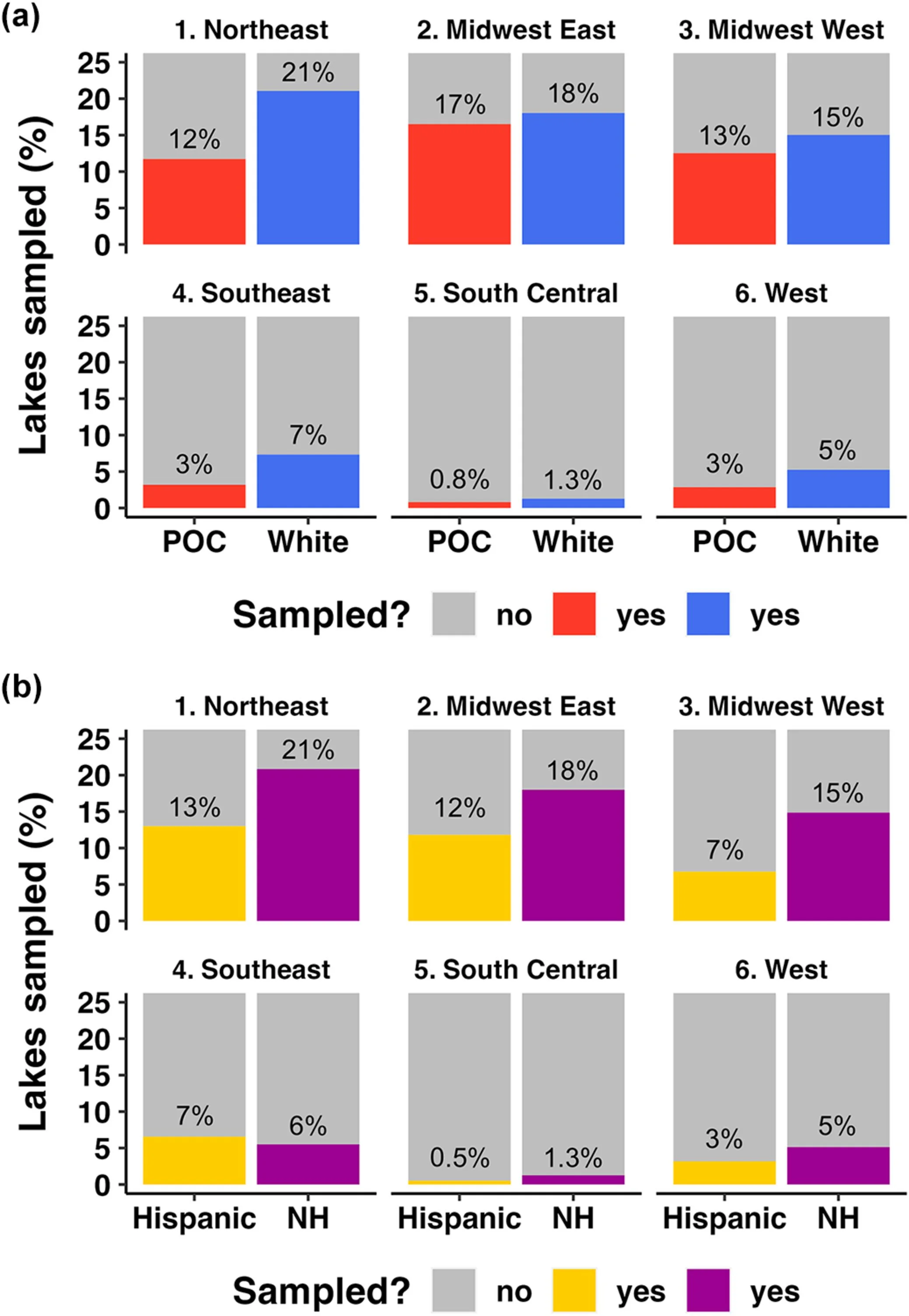
MSU researchers find US lakes in communities of color are monitored less for water quality
Michigan State University researchers found that lakes in communities of color were significantly less monitored for water quality compared to lakes in white communities. Specifically, lakes in communities of color were three times less likely to be sampled at least once, and seven times less likely to have long-term monitoring data spanning 15 years or more. This disparity in monitoring makes it challenging to assess water quality in frontline communities, potentially putting these populations at greater risk if and when water quality issues arise.

NCAR | David Hosansky | August 22, 2024
Scientists propose guidelines for solar geoengineering research
Solar geoengineering has been proposed as a way to block solar radiation with sulfur particles, much as volcanic eruptions have done. An international team of scientists led by the NSF NCAR has published a paper proposing specific guidelines for evaluating stratospheric aerosol intervention (SAI) research, emphasizing the need to assess both the technical feasibility and potential ecological and societal impacts of injecting sulfur dioxide into the stratosphere to cool Earth by reflecting incoming solar radiation. The new paper outlines eight comprehensive research criteria for assessing SAI developments including monitoring by satellite observations validated with in situ measurements, and recommends regular, globally representative assessment reports. The purpose is to provide policymakers and the public with the best possible scientific understanding of this controversial geoengineering approach.
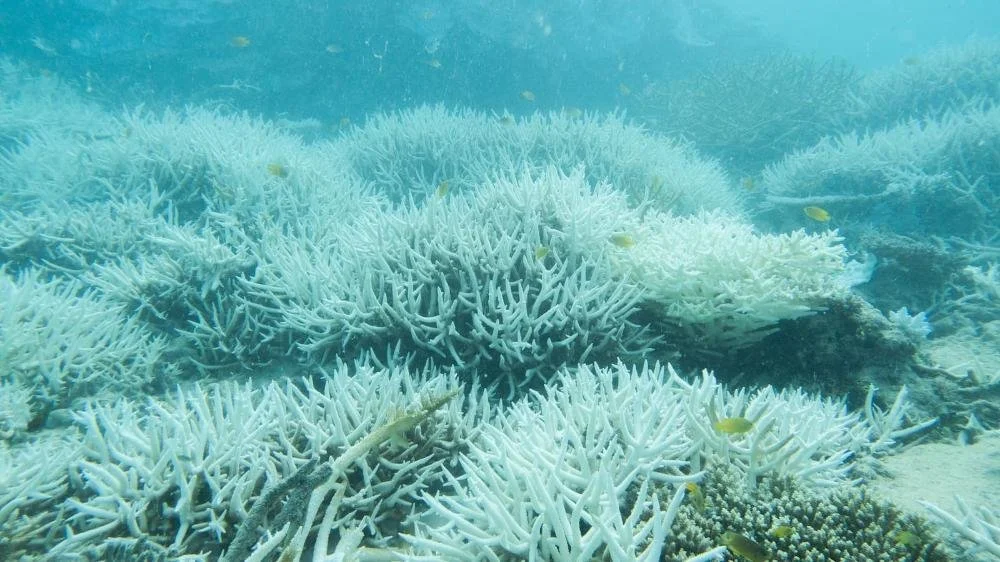
PBS | Suman Naishadham | August 7, 2024
The Great Barrier Reef waters were the warmest in 400 years over the past decade, Australian study finds
Ocean temperatures around the Great Barrier Reef have surged to their highest levels in 400 years resulting in severe coral bleaching events. Reconstructed sea surface temperature data from 1618 to 1995 coupled with sea surface temperature data from 1900 to 2024 demonstrate that this exceptional thermal stress over the last decade, attributed to anthropogenic climate change, jeopardizes the reef's survival. The study suggests significant threats to global coral reefs as they approach critical warming thresholds.
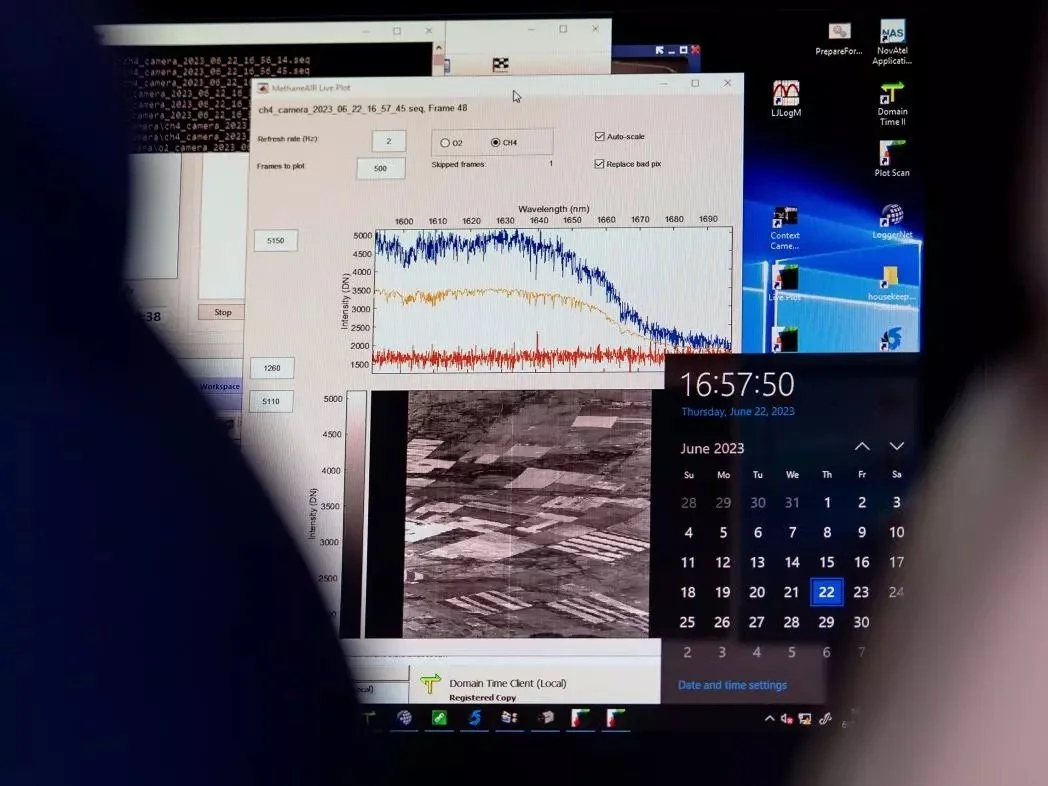
Environmental Defense Fund | Ritesh Gautam | July 31, 2024
New Data Show U.S. Oil & Gas Methane Emissions Over Four Times Higher than EPA Estimates, Eight Times Greater than Industry Target
New aerial measurements from MethaneAIR indicate that U.S. oil and gas producers are emitting methane at rates over four times higher than EPA estimates and eight times above their own emissions targets, highlighting a critical need for accurate emissions data collection and reporting. This new data will inform policy and regulatory developments, particularly as the EPA updates its reporting program to incorporate advanced measurement technologies such as satellite observations, ensuring transparency and accountability in emissions management.

The Washington Post | Kasha Patel | July 31, 2024
Antarctic temperatures soar 50 degrees above norm in long-lasting heat wave
East Antarctica is experiencing an extraordinary heat wave, with temperatures soaring over 50 degrees F (28°C) above average marking the region's second such event in just two years. Antarctic warming is progressing at twice the average global rate, raising concerns that these extreme temperature anomalies will occur more frequently, destabilizing critical polar systems like sea ice and atmospheric circulation which are essential for regulating global climate patterns.
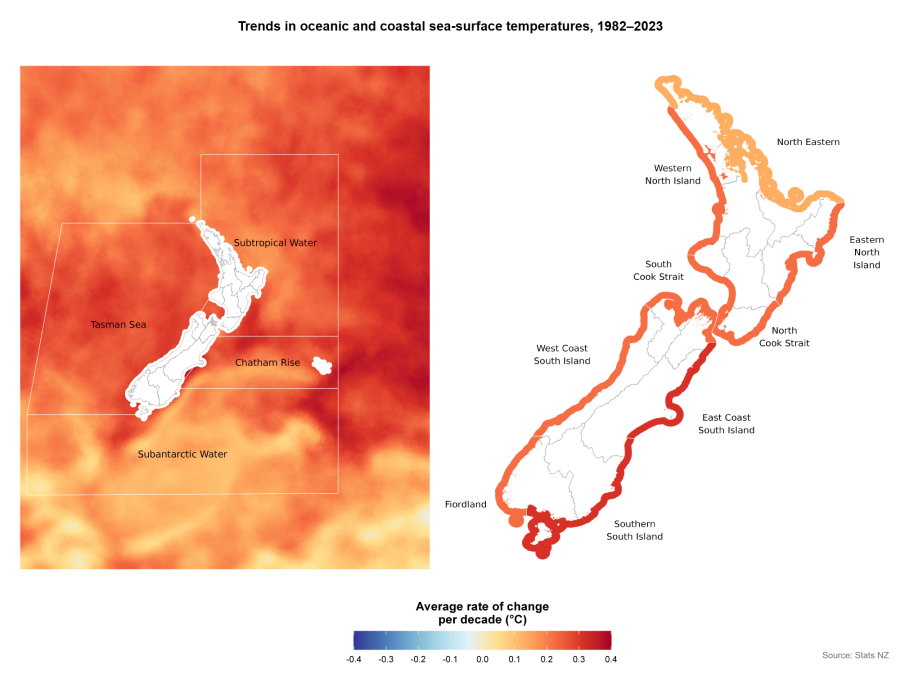
The Guardian | Eva Corlett | July 9, 2024
New Zealand’s sea temperatures hit record highs, outstripping global averages
New Zealand's sea temperatures have surged to record highs, with some regions experiencing warming rates three times higher than the global average. This unprecedented increase in ocean temperatures, measured to be double the global per-decade average, highlights significant changes in marine conditions around the island nation.
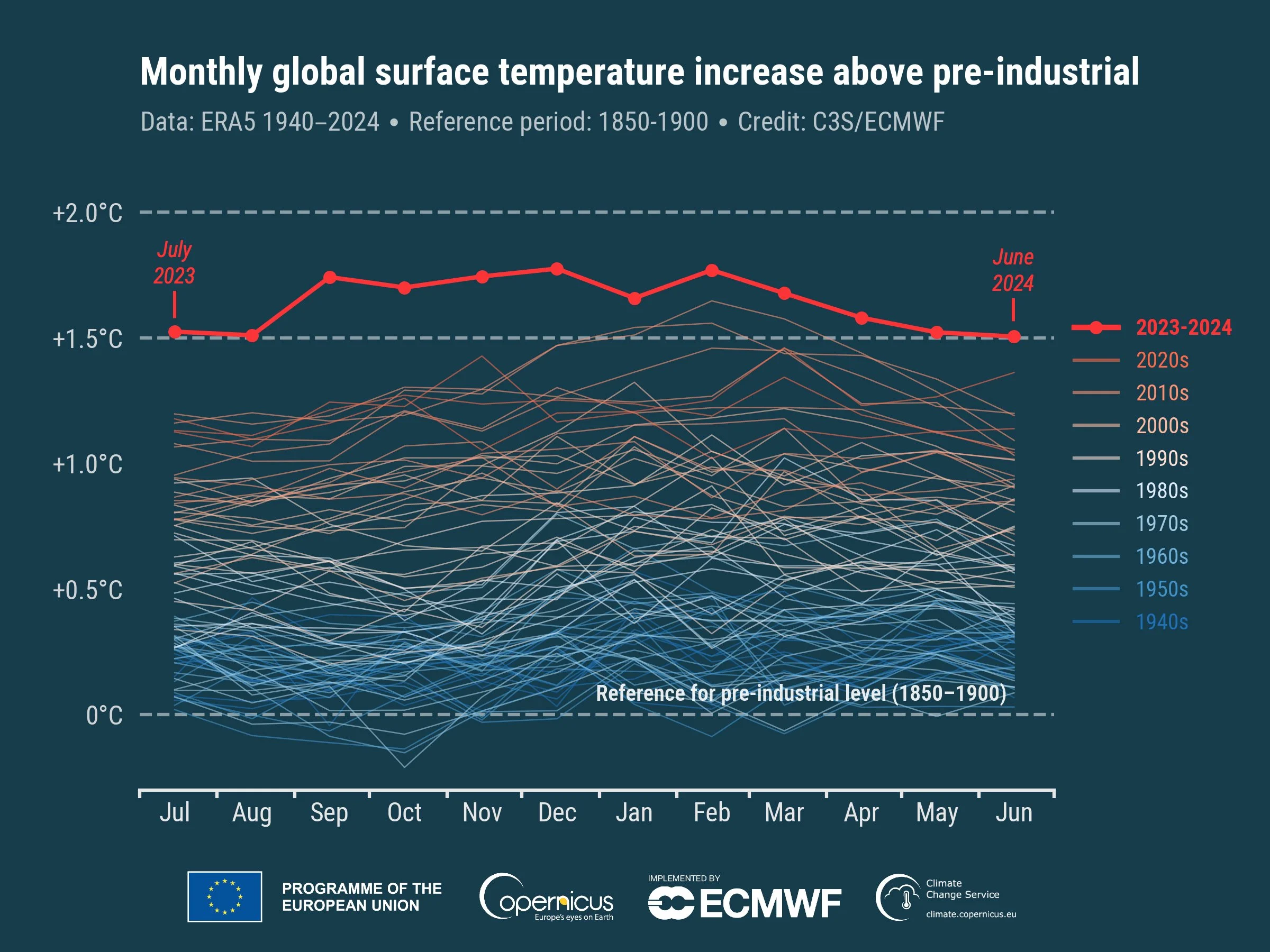
Inside Climate News | Bob Berwyn | July 9, 2024
Average Global Temperature Has Warmed 1.5 Degrees Celsius Above Pre-industrial Levels for 12 Months in a Row
The Earth’s average temperature has exceeded 1.5 degrees Celsius above pre-industrial levels for the past 12 months, setting a new record. This persistent anomaly highlights the urgent need for long-term climate action.

NOAA | Matthew Rosencrans | July 3, 2024
Category 5 Hurricane Beryl makes explosive start to 2024 Atlantic season
Hurricane Beryl's record-setting rapid intensification to Category 5 in early July, 2024 highlights the importance of long-term climate observations. This unusual early development, driven by record-warm ocean temperatures and changing atmospheric conditions, underscores the need for ongoing monitoring to understand and prepare for evolving hurricane patterns due to climate change.

The Washington Post | Scott Dance | May 10, 2024
Hawaii’s Mauna Loa Observatory just captured ominous signals about the planet’s health
Hawaii’s Mauna Loa Observatory reports that atmospheric carbon dioxide (CO₂) levels are rising at an unprecedented rate, faster than observed over 66 years. CO₂ levels are nearing 427 parts per million in the most recent readings, more than 50% above pre-industrial levels.
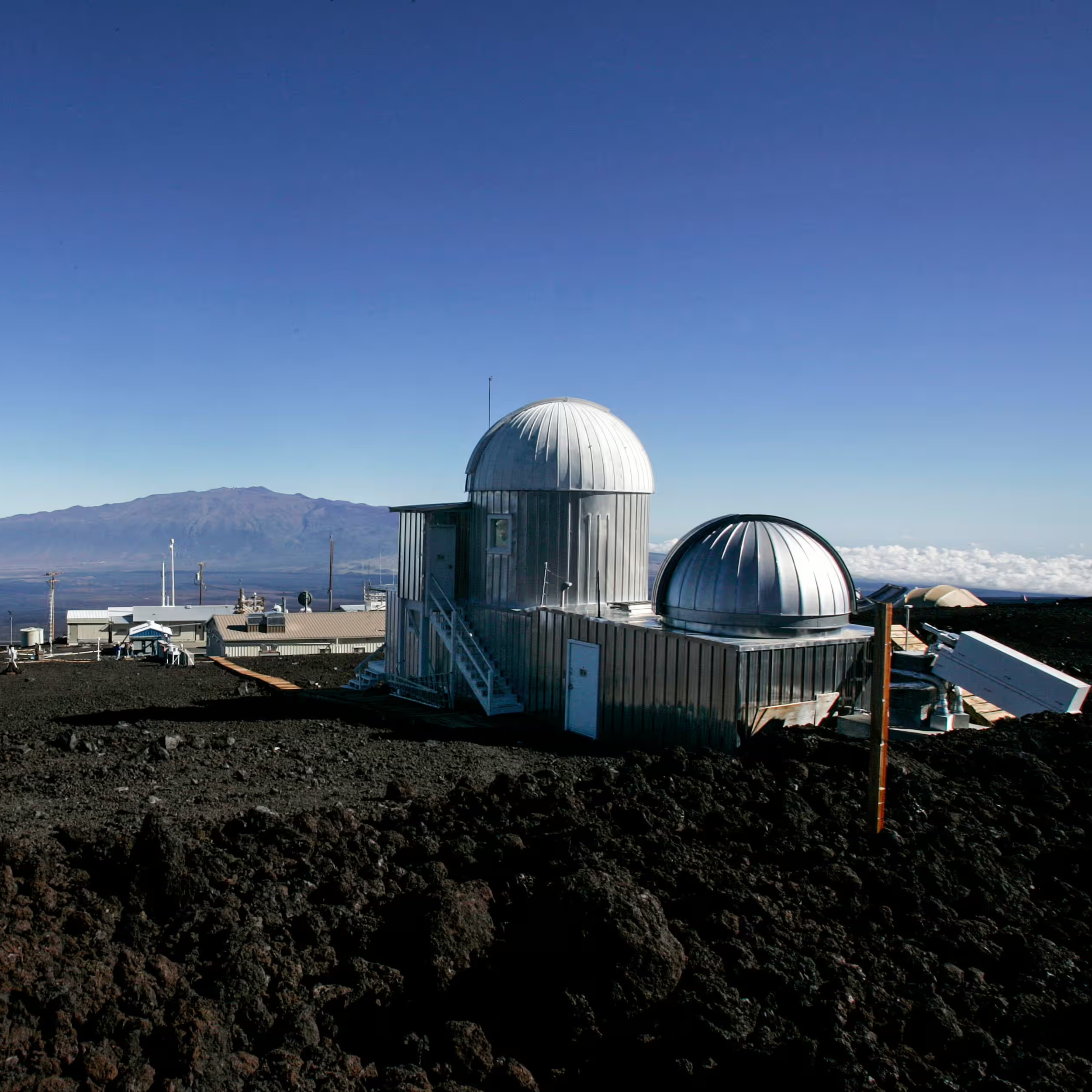
The Guardian | Oliver Milman | May 9, 2024
Record-breaking increase in CO₂ levels in world’s atmosphere
A record-breaking surge in atmospheric CO₂ levels, driven by fossil fuel use and the recent El Niño, has alarmed scientists. The global average concentration in March increased by 4.7 ppm compared to March last year, an annual increase that has never been observed before.
Explore Our Resources


