
In a world that’s constantly changing, consistent data tracking is crucial
The first to make long-term measurements of CO₂
Charles David Keeling was the first scientist who committed his entire career to the long-term observation of climate change through the Keeling Curve, which has measured the earth’s CO₂ concentration since 1958. Because of the curve’s precision and simplicity, it sets a precedent for scientists tracking long-term environmental data.
Dr. Keeling’s son, Ralph, followed in his father’s footsteps. Through the Keeling Curve Foundation, he’s dedicated to preserving his father’s legacy and the importance of long-term observations of the environment through the Keeling Curve Foundation.



Precise measurements of the environment today are vital for the scientific efforts of tomorrow
After just a few years of research, Keeling Curve measurements in the 1960s rang alarm bells that fossil-fuel burning could have a negative impact on the global climate. Over the following decades, the Keeling Curve has served as a constant reminder to the world that cuts in emissions are needed in order to avert the dangerous effects of climate change.

Long-term Earth measurements like the Keeling Curve document our failures and successes in averting the impacts of climate change
Long-term Earth measurements have demonstrated successes in combating other environmental challenges, such as ozone depletion.
We look forward to when the Keeling Curve bends downward, transforming into a symbol of hope and progress in combating climate change.
Long-term Earth observations of nature are vulnerable when underappreciated
Every year, long-term Earth observations are at risk due to a loss of appreciation and interest. When we lose the data, we lose our ability to track our progress in combating climate change.
Explore Our Resources



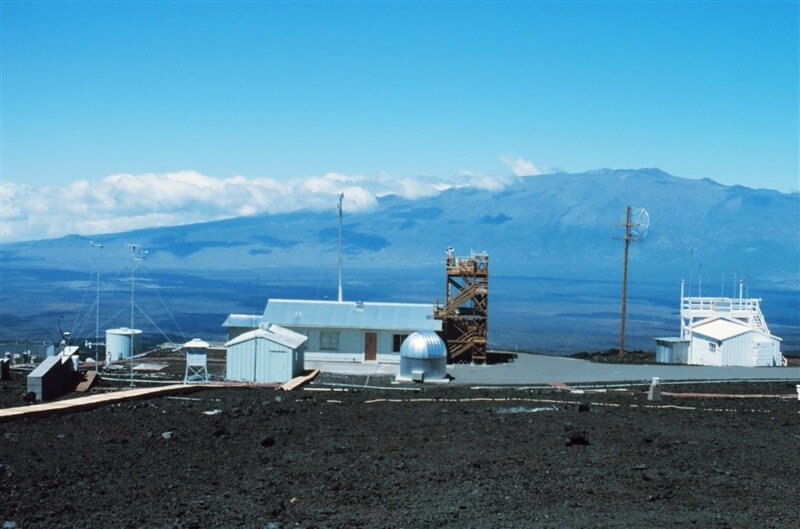
PHOTO CREDITS Dave Keeling air sampling: The Keeling Family, Ralph Keeling air sampling: Ralph Keeling, Station at Mauna Loa: NOAA Corps / Cmdr John Bortniak